If you’ve been practicing probate in Florida for any length of time, you’ve noticed the system has been changing. Some changes are welcome and genuinely helpful. Others… well, they add new layers of work, new reasons for delay, and new expectations that weren’t there a year or two ago.
As we move into 2026, several statewide patterns are becoming impossible to ignore. Let’s walk through what’s happening behind the scenes.
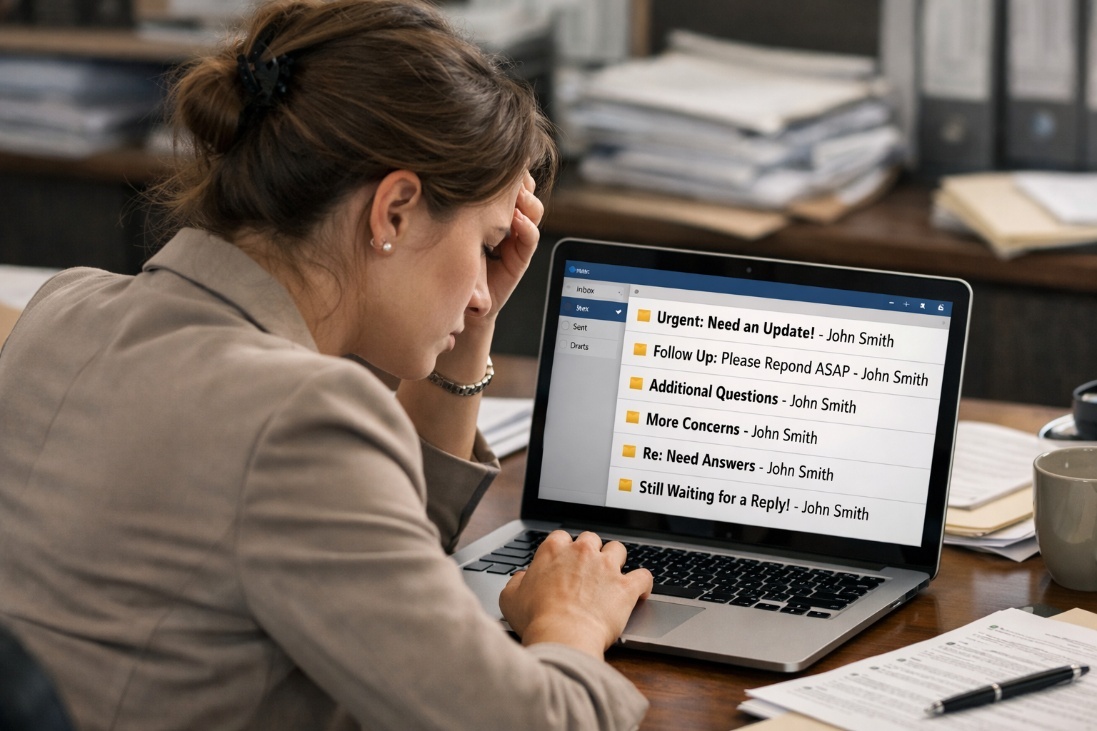
Digital Filing Is Increasing and So Are Digital Rejections
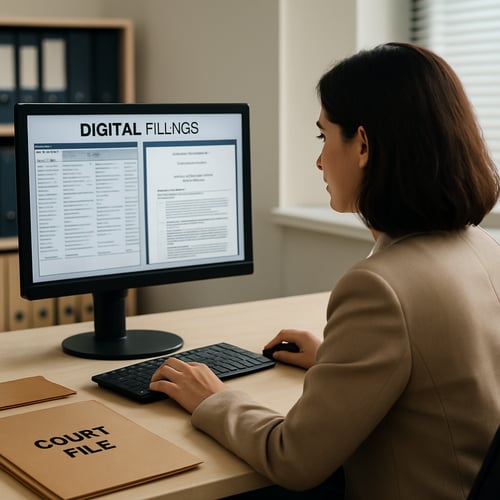
Every clerk’s office in Florida is pushing harder toward digital processes. More courts want everything scanned, uploaded, or e-filed. More bonds are being processed electronically. More docket updates are automated.
The intention is good. But the reality is that digital systems have created a whole new set of reasons for clerks to reject filings.
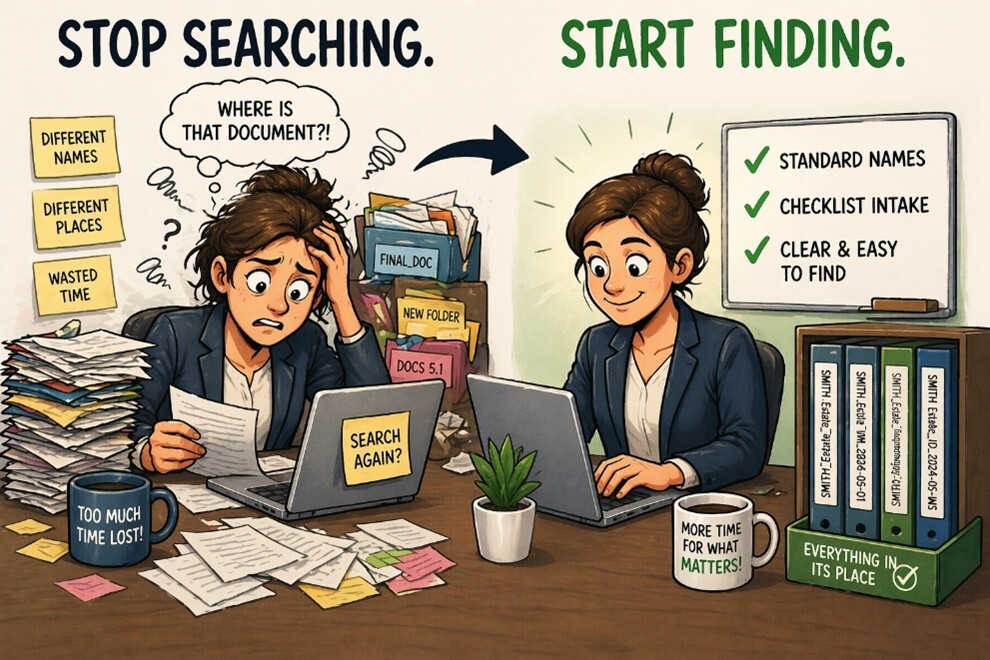
A PDF that’s scanned too lightly can be rejected. A signature that’s slightly pixelated can be rejected. A document uploaded under the wrong category? Rejected. A file missing metadata or mislabeled? Also rejected.
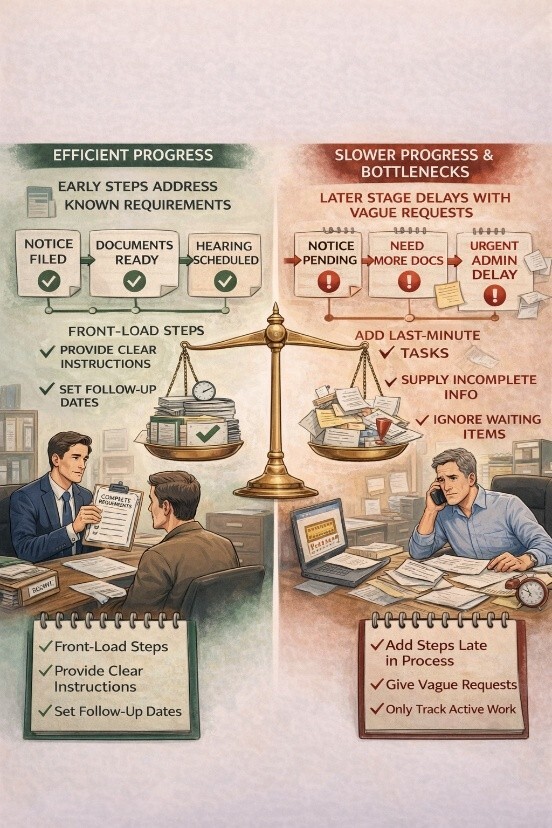
Clean, crisp, properly-labeled digital submissions get through first. Everything else gets bounced back.
Counties Are Tightening Compliance Across the Board
Another major shift in 2026 is stricter compliance review. This isn’t isolated to one or two counties, it’s happening everywhere.
Clerks are looking more closely at names, bond amounts, exact wording, whether the Surety company is properly admitted, whether orders are attached, and whether restricted accounts are documented clearly. Some of this comes from statewide audit pressure. Some comes from internal training cycles. Some comes from turnover inside clerk offices.
Counties that used to be fast and forgiving are now careful and methodical. It’s procedural. But it does slow things down unless the filing is spotless.
Fraud Prevention is Driving Stricter Screening
Florida probate has seen a rise in questionable petitions, out-of-state Fiduciaries, and digital-only documentation. Because of this, clerks are being trained to pause and verify anything that feels unusual.
Sometimes that means a request for ID verification. Sometimes it means a second look at access to funds. Sometimes it means additional questions about where an asset came from or who exactly is serving.
The courts aren’t assuming bad faith they’re simply being more cautious. It’s meant to protect vulnerable people. But that caution adds time, and attorneys need to prepare their Fiduciaries for it.
Clerk Backlogs Are Growing Especially in the Larger Counties
Counties like Miami-Dade, Broward, Orange, Palm Beach, Hillsborough, and even some smaller jurisdictions are dealing with heavier workloads than ever before.
- More filings.
- More e-documents.
- More guardianship cases.
- More staff turnover.
- More new clerks in training.
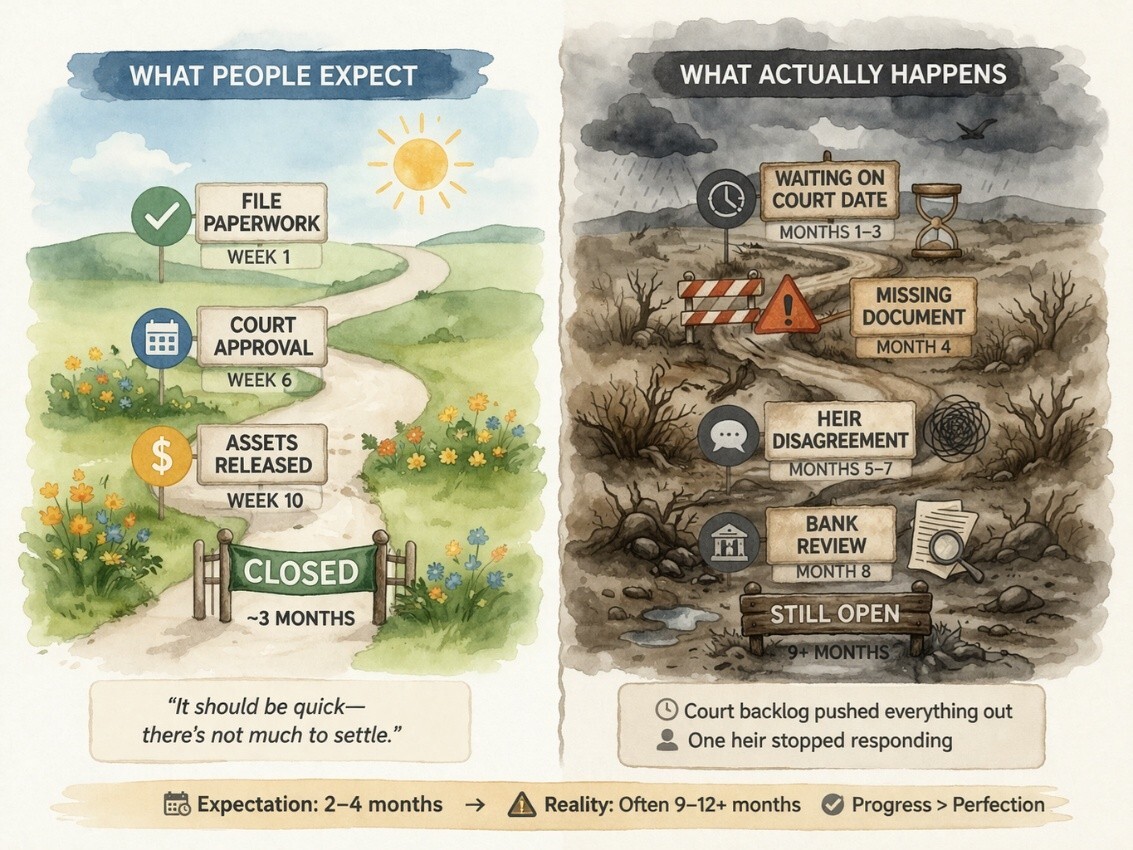
It’s a perfect storm for delays. What used to take a few hours can now take a day or two. And a bond that appears “stuck” is often just waiting in a digital queue with hundreds of other documents.
Clerk Preferences Are Changing Often Without Warning
One of the quirks of Florida probate is that each clerk’s office develops its own internal preferences.
- Some want the order requiring the bond attached.
- Some want it filed separately.
- Some want the Fiduciary’s information in one place.
- Others want it positioned differently.
- Some prefer one Surety form.
- Others prefer another.
- Some want a certain naming format on the PDF.
None of these preferences are written down anywhere. Attorneys only find out by trial and error… or by working with someone who sees these patterns statewide.
This is why one county may accept a bond instantly while another asks for something extra that appears “new.”
Technology Updates Are Causing Growing Pains
Several clerk offices have rolled out new case-management systems, document processors, and internal communication tools. These updates promise efficiency, but during transition periods, everything slows down.
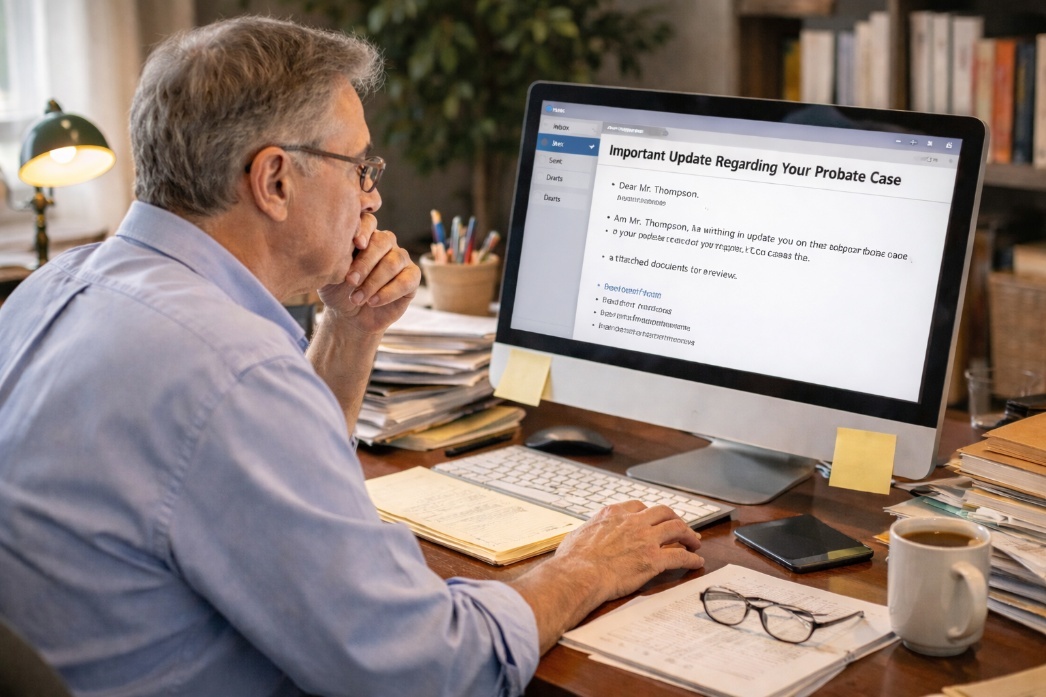
Some bonds show as “pending” when they’ve already been processed. Some documents disappear from the queue and reappear hours later. Some clerk notes get delayed in the new system. And sometimes a brand-new employee is learning a workflow at the exact moment your filing comes through.
It’s chaos, but temporary chaos. Still, it affects timelines, and attorneys need to build in some buffer time during tech-overhaul periods.
What All of This Means for Practitioners
The common thread in all these trends is simple:
Florida probate in 2026 is more digital, more procedural, and more sensitive to errors than ever before. The margin for mistakes has shrunk.
The attorneys and paralegals who adapt to this reality and file cleaner documents, provide more complete information, anticipate clerks’ questions, and stay ahead of new requirements will move cases faster and avoid the stress that others are feeling.
And because clerk offices vary so dramatically from county to county, working with someone who tracks statewide changes and knows the tendencies of each division gives you a significant advantage.
These trends are part of the broader shift toward more accountability and more digital efficiency in the court system. But they do change how cases move, and they require a different level of accuracy and awareness than before.
If a bond ever gets delayed and you can’t tell why or if you need help navigating a county that suddenly changed its process, my team and I are here to help make sense of it. And if you need a bond issued now, we’ll get it done quickly and cleanly so you can keep your case on track.
If you need a bond now, call 800-828-2226 or Click Here.
To your success,
Darren Vermost
The Bond Guy
and the Probate Bond Pros Team