One of the most common questions paralegals ask when preparing a probate or guardianship case is:
“How much will the bond be?”
Unfortunately, bond amounts aren’t always predictable, and they vary depending on the type of case, the judge’s approach, asset structure, income sources, restrictions, and the Fiduciary’s responsibilities.
The good news?
There are consistent patterns underneath all the complexity.
This guide breaks down the major factors that influence bond calculations in Florida probate, guardianship, and trust cases so you can anticipate what the court may require, set client expectations correctly, and avoid last-minute surprises.
And at the end, you’ll see how Darren™ makes this calculation effortless… even for the most complex cases.
1. Liquid vs. Illiquid Assets
Courts look carefully at what the Fiduciary will have direct control over.
Liquid assets
- Checking accounts
- Savings accounts
- Investment accounts
- Cash equivalents
These represent immediate risk, because they can be spent or transferred quickly.
Courts typically base the bond amount on full access to these funds.
Illiquid assets
- Real estate
- Business interests
- Vehicles
- Collectibles
- Restricted accounts
These are harder to manipulate quickly, so courts often weigh them differently, sometimes at reduced value, sometimes not at all.
The more liquid the estate, the higher the bond tends to be.
2. Projected Income (Especially in Guardianships)
In guardianship cases, courts often factor in anticipated yearly income, such as:
- Social Security benefits
- VA benefits
- Pension payments
- Investment income
- Rental income
The logic is simple: If the Fiduciary will receive income during the year, they must be bonded at a level that covers both existing assets AND future incoming assets.
Example:
If a Ward has $50,000 in assets and $20,000 in yearly income, many judges will require a bond that reflects $70,000 total exposure.
3. Real Estate and Market Conditions
Real estate complicates calculations for one reason: value does not equal liquidity.
Courts know this.
Factors that influence whether real property affects the bond amount include:
- Whether it is homestead or non-homestead
- Whether there’s a mortgage
- Whether the Fiduciary has the power to sell
- Market volatility in the county
- Rental income connected to the property
Some judges count real estate at full value. Some discount it heavily. Some ignore it entirely.
This is one of the reasons probate bond calculations vary dramatically from judge to judge in Florida.
4. Restricted Depository Accounts
Restricted accounts (especially in guardianship cases) are a major factor because they limit the Fiduciary’s access.
But there’s a catch:
A restricted depository account only counts as restricted when the documentation is clear and specific.
Courts look for:
- A signed restriction order
- Confirmation from the financial institution (if required)
- Proof that no withdrawals can occur without court approval
If the documentation is incomplete, unclear, or missing? The court will bond as if the Fiduciary has full access.
In guardianships: Florida statute requires dollar-for-dollar bonding OR restricted accounts. This makes restricted depositories one of the most important tools for reducing bond amounts.
In probate: There is no statute. Judges make their own determination, which means the approach varies widely.
5. Guardian Reporting Timelines
Annual reporting plays a bigger role in bond calculations than most practitioners realize.
The logic is this: the longer the reporting period, the longer money could be mishandled without detection.
Some courts:
- Increase the bond when reporting is delayed
- Lower the bond after several years of clean accountings
- Require supplemental bonding when new assets surface
Paralegals who understand this can prepare clients for adjustments and avoid confusion later in the case.
6. Judge-Specific Preferences (Probate)
Since probate bond amounts are not set by statute, they depend entirely on the judge’s discretion.
This can affect decisions regarding:
- Inclusion of real property
- Weight given to illiquid assets
- Adjustments for income
- Comfort level with low-credit Fiduciaries
- Reliance on restricted depositories
- Supplemental bonding when the estate value changes
No two judges calculate bond amounts exactly the same way.
7. Risk Factors Connected to the Fiduciary
Courts also consider risk tied to the person serving:
Common red flags:
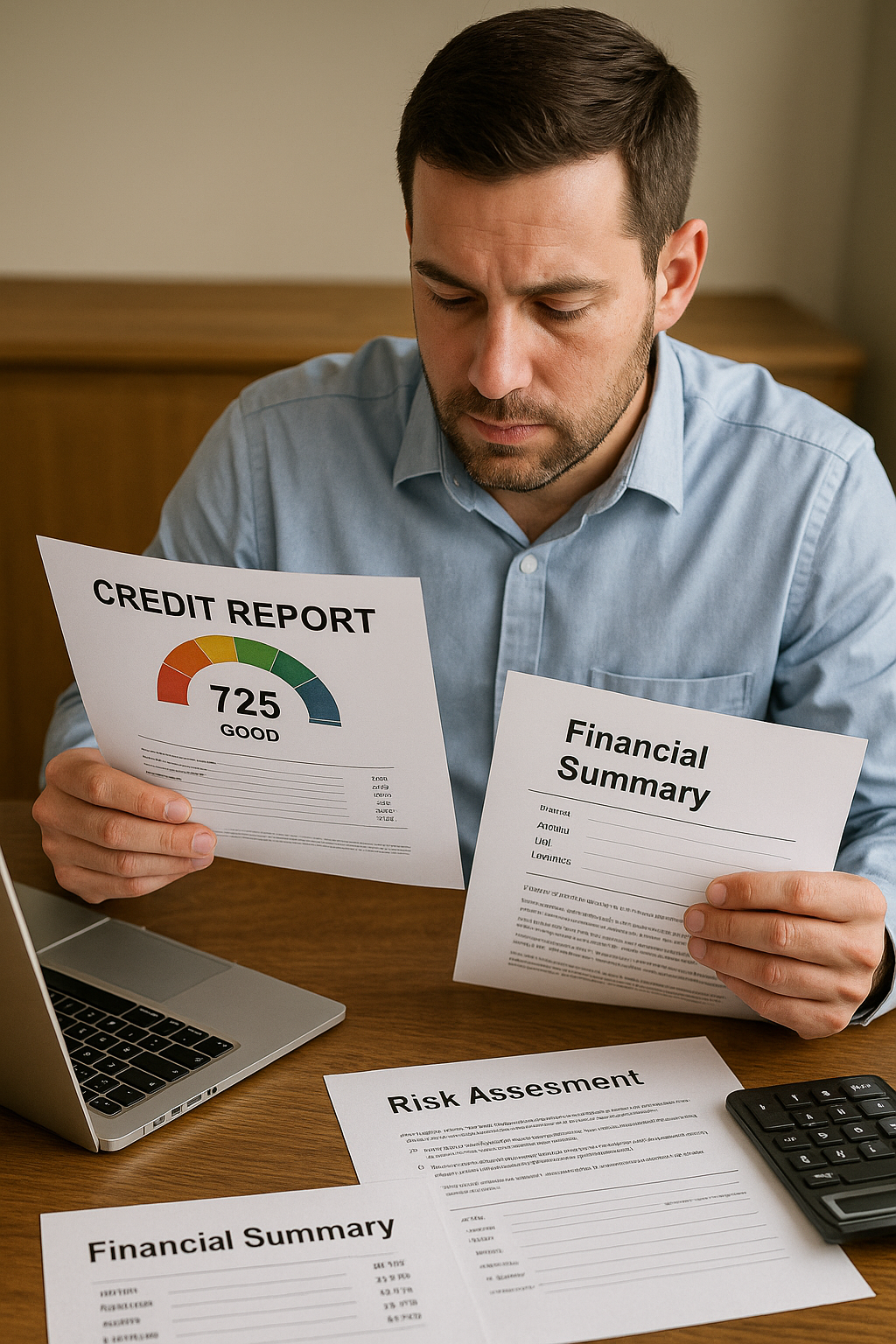
- Poor credit
- Prior Fiduciary issues
- Past late accountings
- Financial instability
- High conflict among Beneficiaries
- Complex or adversarial estates
When risk increases, courts often raise the bond amount to protect the Beneficiaries.
Where Darren™ Makes This Simple
Attorneys and paralegals shouldn’t have to guess at premiums. You shouldn’t have to flip through rate sheets. And you definitely shouldn’t have to run the numbers three different ways to make sure you didn’t miss a tier or decimal.
That’s exactly where Darren™ steps in.
Once the judge sets the bond amount and you plug that number into Darren™:
- It applies the correct rate schedule automatically
- Calculates the exact bond premium instantly
- Handles stepped or tiered pricing without errors
- Eliminates manual math and spreadsheet mistakes
- Produces a clear, court-ready premium quote
- Makes it easy to revise the premium if the judge changes the bond amount
The result?
A fast, precise, reliable premium calculation ready to communicate to the client and attach to your filing.
Understanding the bond amount is one thing. Calculating the premium is another. Pairing your legal expertise with a system that does the premium math for you means you save time, avoid costly errors, and move cases forward without friction or delay.
If you need a bond now or want to see how much easier your next case is with Darren™ call 800-828-2226 or Click Here.
To your success,
Darren Vermost
The Bond Guy
and the Probate Bond Pros Team