Maria had always been the person everyone depended on. When her father became ill, she managed his appointments, his medications, and his bills while still working full time and caring for her own family. After he passed, it felt natural that she would handle the estate too. What she did not expect was how different this responsibility would feel from anything she had done before.
At the first meeting, she came prepared with a folder of documents and a list of questions written in careful handwriting. She listened closely, nodded often, and took notes as each step of the process was explained. From the outside, she looked organized and capable. Many Fiduciaries do. They want to do the job well, especially when it involves someone they loved.
A few weeks later, the phone calls began. Each question was polite and measured. She apologized before asking anything, worried she was bothering the office. Sometimes she asked the same thing in slightly different ways, not because she had not heard the answer, but because she wanted to be certain she understood it correctly. Every decision felt heavy to her, even small ones, because she believed the consequences could be permanent.
Paralegals often recognize this pattern immediately. The caller is not confused so much as cautious. They’re trying to move forward without making a mistake they can’t undo. Attorneys feel it too, especially when explaining responsibilities that carry legal and financial weight. What sounds like routine guidance inside the office can sound like a warning to someone who has never handled an estate before.
Over time, Maria’s confidence didn’t grow the way everyone expected. Instead, she became more hesitant. The longer the process continued, the more aware she became of how much she didn’t know. Family members asked her for updates, banks requested documents, and every form seemed to require a decision she felt unqualified to make. She began to delay returning emails, not out of neglect, but because she needed time to steady herself before answering.
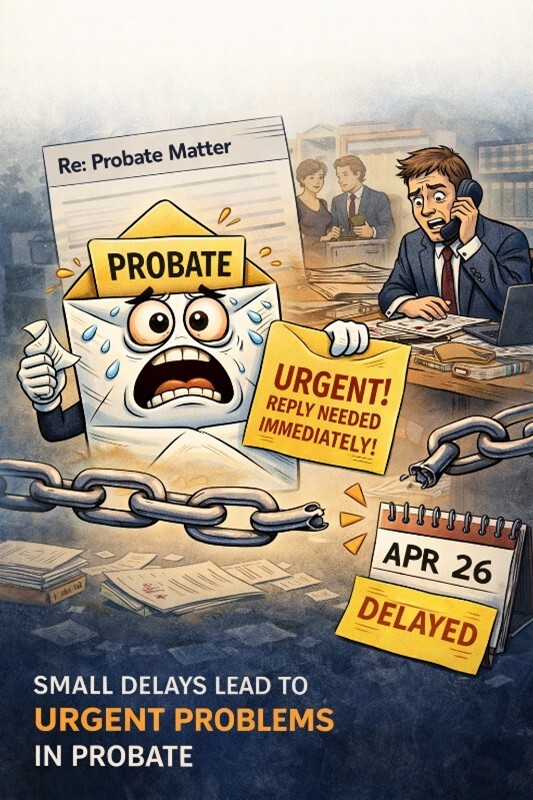
Decision fatigue is not always loud or dramatic. Often it appears as quiet hesitation. A Fiduciary who once responded immediately begins taking longer. Questions become shorter because the person feels embarrassed about asking too many. Sometimes they stop reaching out altogether until something forces action. When that happens, the situation can feel urgent even though the underlying issue has been building slowly for weeks.
One afternoon, Maria called again, her voice tight with worry. A step in the process now required information she had been afraid to address earlier. She’d spent days reading documents online, trying to understand what was expected, and had only become more anxious. What she needed most at that moment was not technical explanation but reassurance that she hadn’t already failed.
For the legal team, moments like this require both patience and empathy. The Fiduciary is not resisting the process; they’re overwhelmed by responsibility. Every choice feels final because it involves someone else’s money, property, and legacy. Even when the path forward is straightforward, the emotional burden can make it feel impossible.
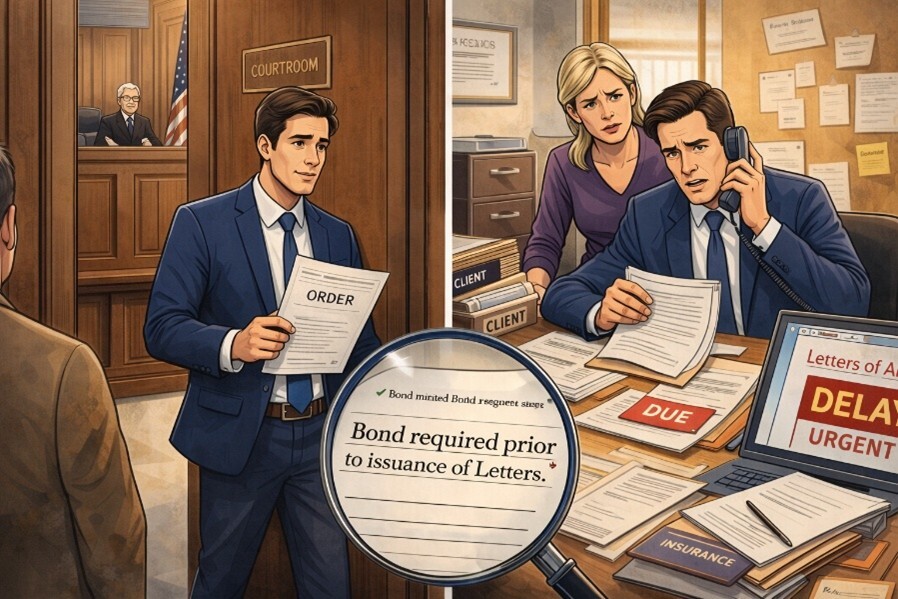
Bonding often becomes a focal point for this anxiety because it sounds serious and unfamiliar. Clients may worry about personal liability, credit implications, or whether they’re being judged as trustworthy. If the topic appears suddenly, it can reinforce the fear that they’re stepping into something risky. When it’s introduced early as a standard safeguard, it’s easier to accept as part of the role rather than a test they might fail.
At Probate Bond Pros, we see how much relief comes from clear explanations delivered calmly and without pressure. Once Maria understood that the requirement was normal and manageable, her tone changed. She began asking practical questions instead of fearful ones. The situation hadn’t changed, but her sense of control had returned.
By the end of the process, she expressed gratitude not for any single action but for the feeling that she had been guided rather than judged. That distinction matters deeply to people who are trying to honor someone they loved while navigating unfamiliar legal territory.
Attorneys and paralegals witness this quiet struggle every day. It’s easy to focus on deadlines and documents, yet behind each file is a person trying to carry responsibility they never asked for. Recognizing decision fatigue for what it is allows professionals to respond with patience instead of frustration and to provide the reassurance that keeps cases moving forward.
If you need a bond today and want a process that supports clients who may already feel overwhelmed, we’re ready to help. Request your bond HERE or call 800-828-2226 and take advantage of our two-hour guarantee.
To your success,
Darren Vermost
The Bond Guy
and the Probate Bond Pros Team