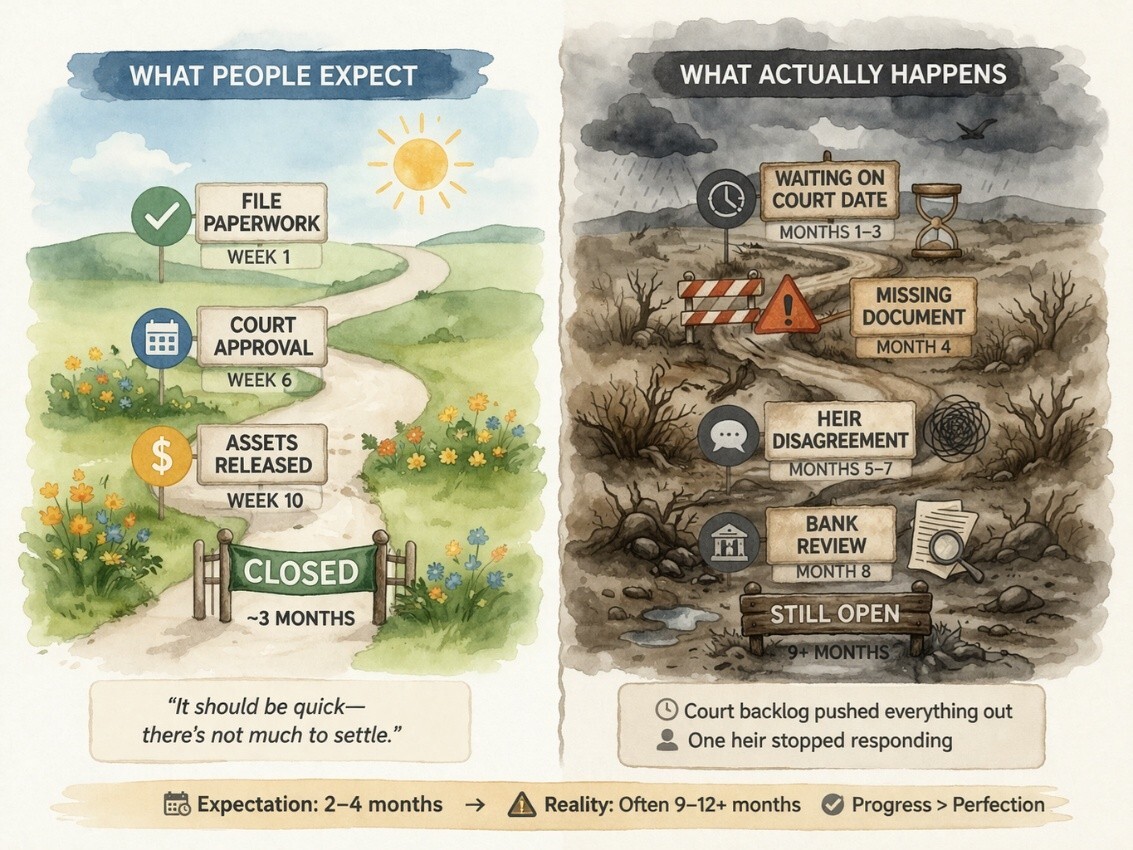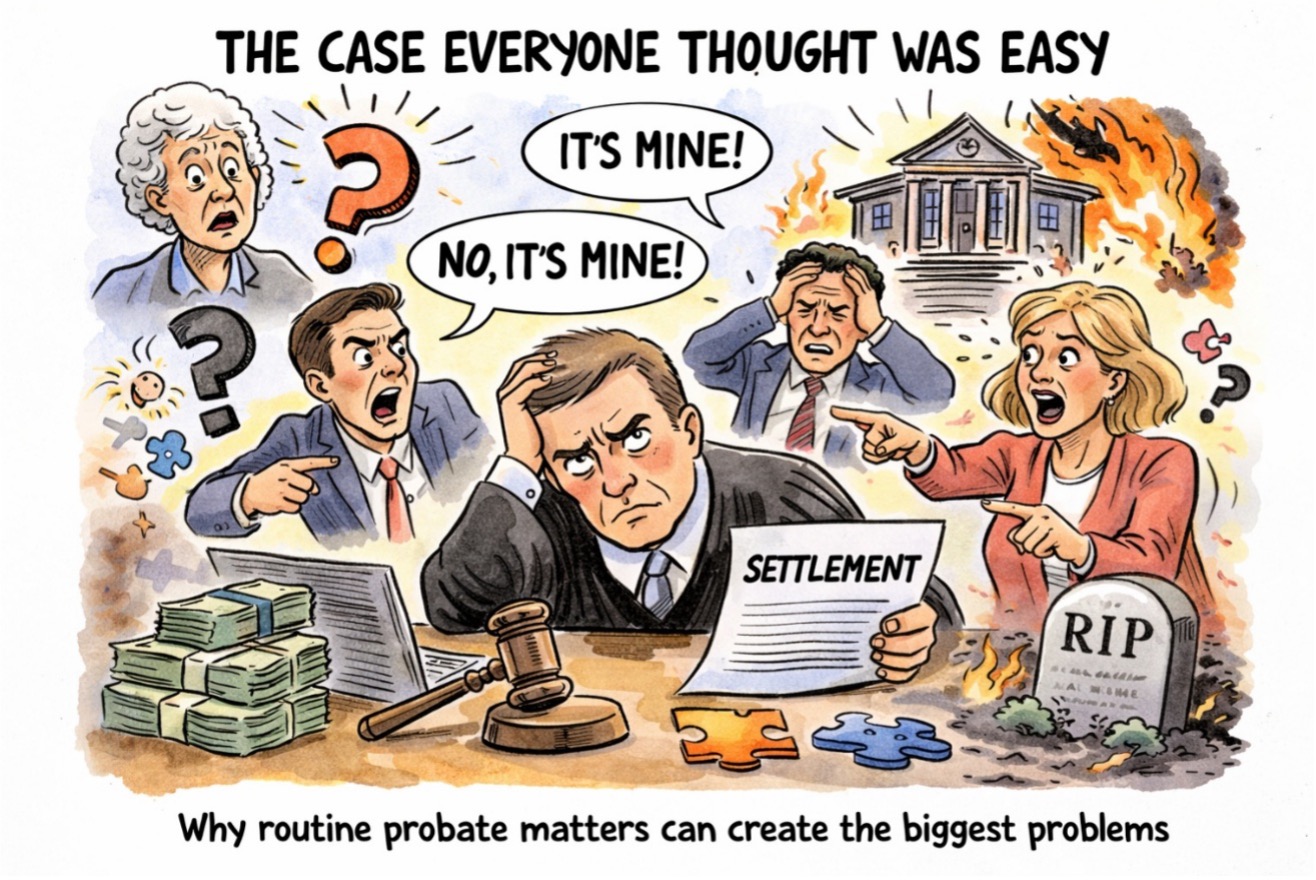
If you lined up ten probate cases that looked nearly identical on paper, you would expect them to move at roughly the same pace.
Similar estate size. Similar structure. No major disputes. Cooperative clients.
In reality, that almost never happens.
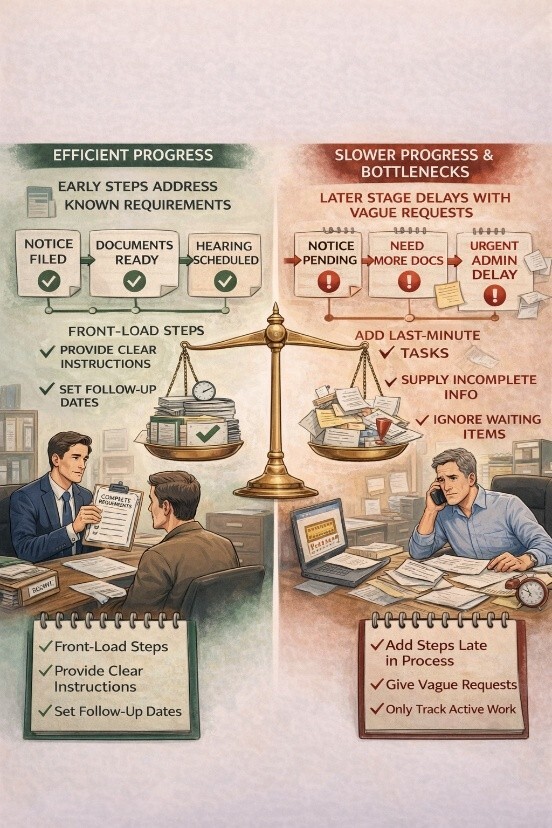
Some cases move cleanly from one step to the next, while others slow down, stall, and require constant follow-up to keep moving. The difference is rarely legal complexity. More often, it comes down to how the process is managed.
Across professional services, workflow studies consistently show that delays are far more likely to come from process breakdowns than from difficult work. In simple terms, it’s not the complexity of the task that slows things down. It’s how and when the task is handled.
In probate, a few patterns show up again and again.
Work expands in the gaps between steps.
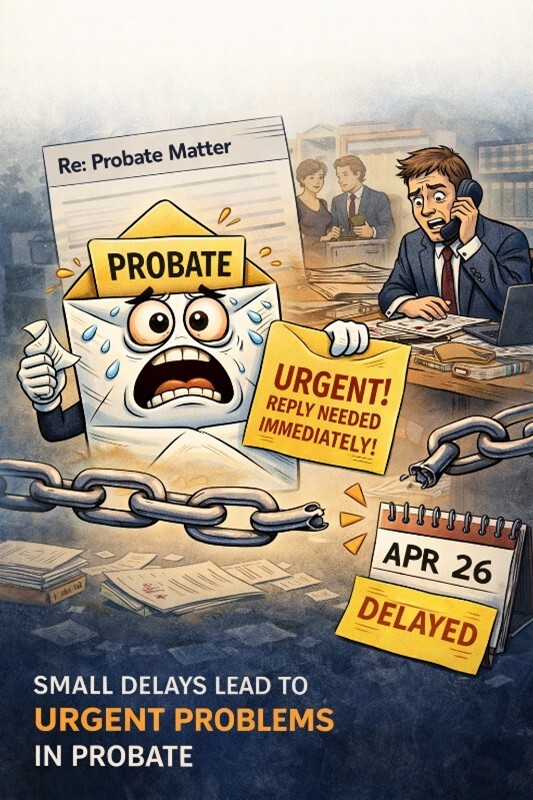
A task that takes thirty minutes to complete can delay a case for days if it sits between two phases without clear direction. Most cases do not lose time while work is being done. They lose time while work is waiting.
Clients respond based on clarity, not urgency.
When instructions are vague or feel overwhelming, response time increases significantly. When requests are clear, specific, and tied to a next step, clients tend to respond much faster.
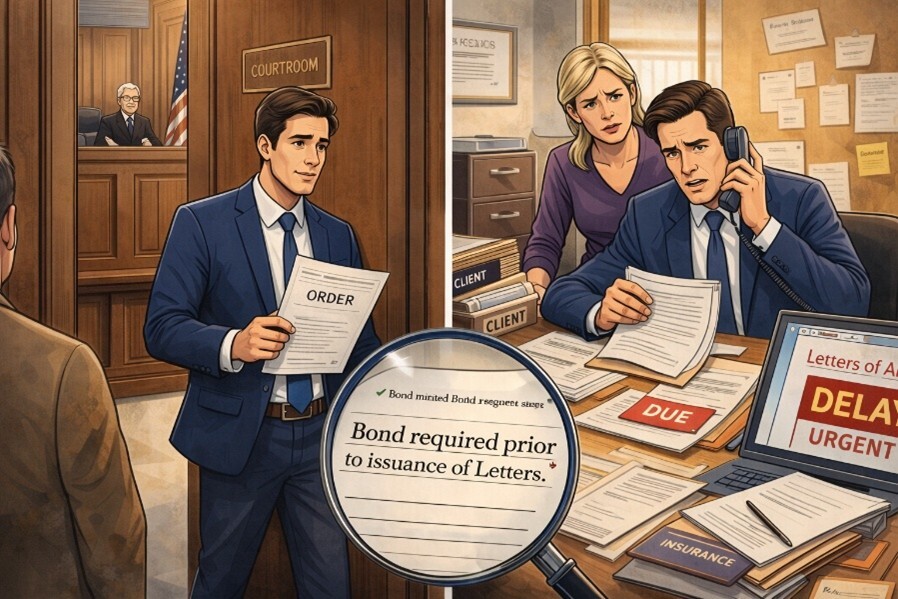
Late-stage requirements create the most disruption.
Any step introduced after a case has built momentum will feel heavier than it actually is. The same requirement handled early feels routine. Handled late, it feels like a problem.
Outside timelines introduce the most variability.
Banks, courts, and third parties do not operate on your schedule. Without active follow-up, these steps tend to take longer than expected.
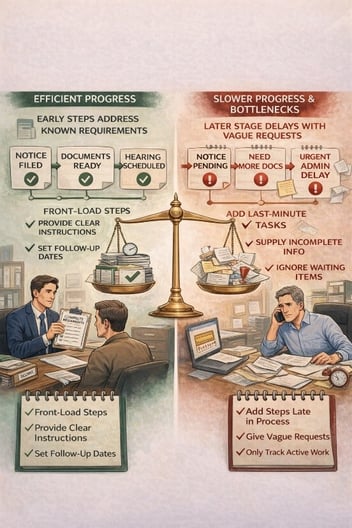
When you look at faster-moving cases, they tend to share a few consistent traits.
- They address required steps early, before those steps become gatekeepers
- They minimize back-and-forth by providing complete information the first time
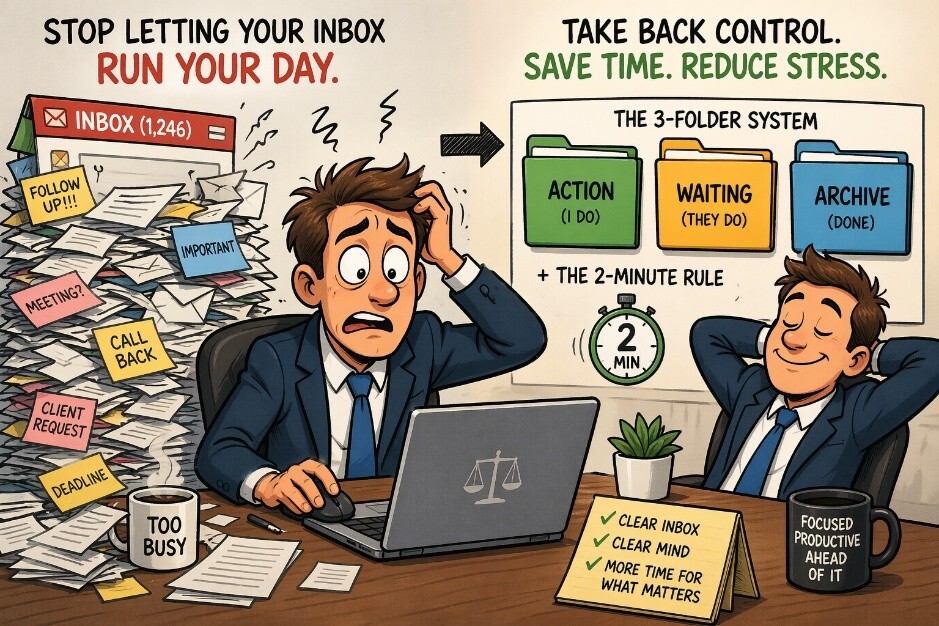
- They track what’s waiting, not just what is being worked on
- They assign clear ownership so nothing sits in limbo.
None of this requires more effort. It requires better sequencing.
There are a few practical ways to apply this immediately.
Front-load known requirements.
If a step will be required later, bring it forward. Handling it early removes pressure from the middle of the case.
Reduce friction in client requests.
Be specific about what is needed, why it matters, and what happens next. The fewer decisions a client has to make about how to respond, the faster they will respond.
Create follow-up triggers.
Any step involving a third party should have a defined follow-up point. If you’re waiting, you should also be tracking.
Treat “in progress” as temporary.
Tasks should move to completion, not sit indefinitely between steps. If something has started, it should have a next action tied to it.
Bonding fits directly into this pattern.
It’s rarely the most complicated part of a case, but it often sits at a point where progress depends on it. When handled early and clearly, it moves in the background and does not affect timing. When delayed, it becomes a bottleneck because everything else is waiting on it.
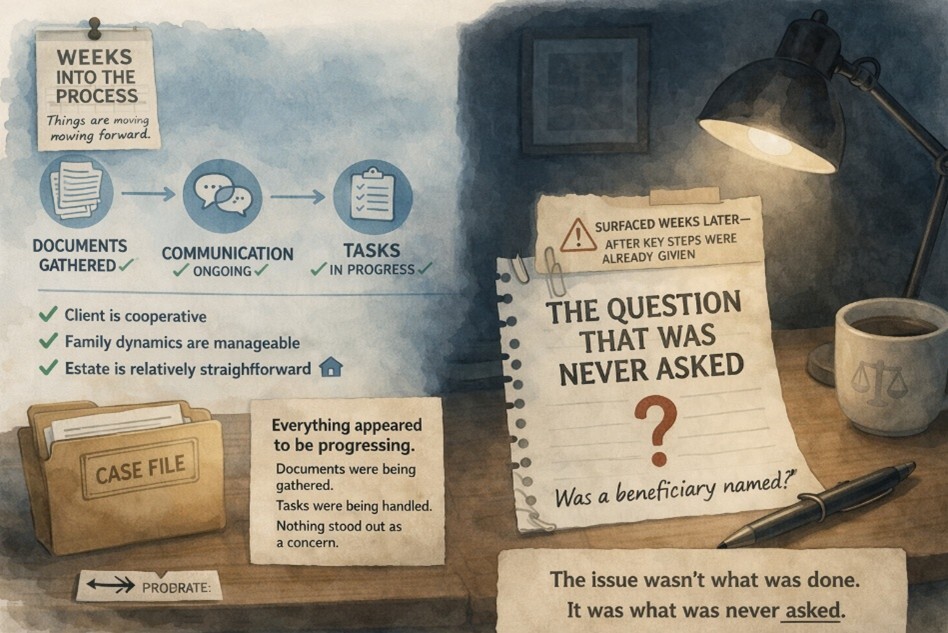
The difference between a smooth case and a stalled one is usually not what is being done, but when it’s being done.
At Probate Bond Pros, we focus on making bonding one of the most predictable parts of your process. Clear requirements, fast turnaround, and minimal back-and-forth allow you to complete a necessary step without it becoming a delay point.
If you need a bond today and want a process that moves quickly without adding confusion about next steps, we’re here to help. Request your bond HERE or call 800-828-2226 and take advantage of our two-hour guarantee.
To your success,
Darren Vermost
The Bond Guy
and the Probate Bond Pros Team