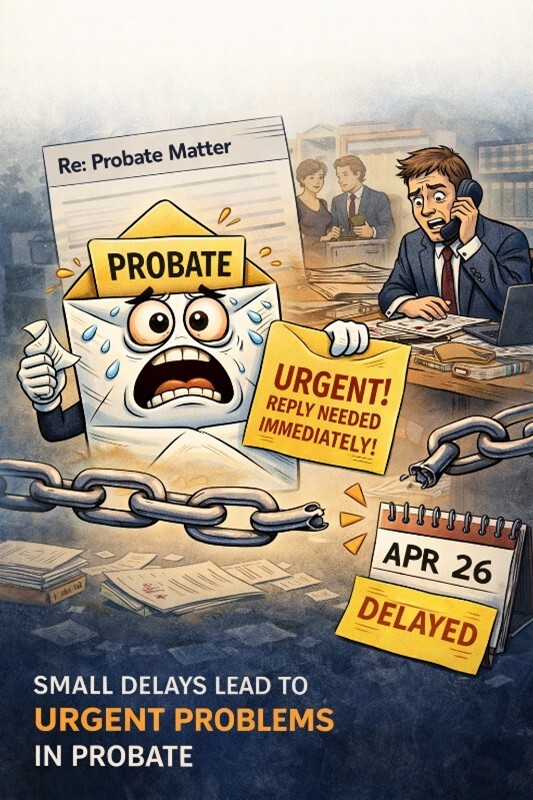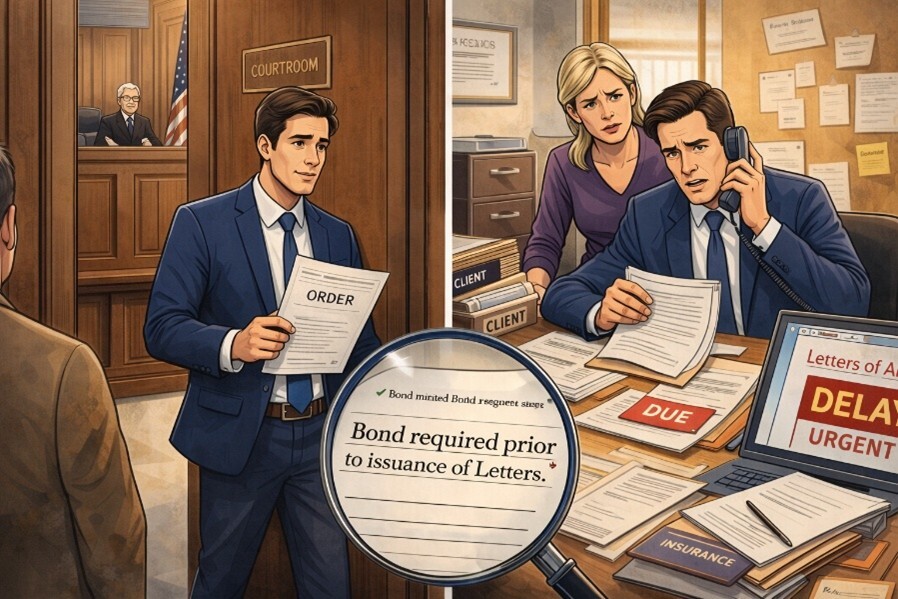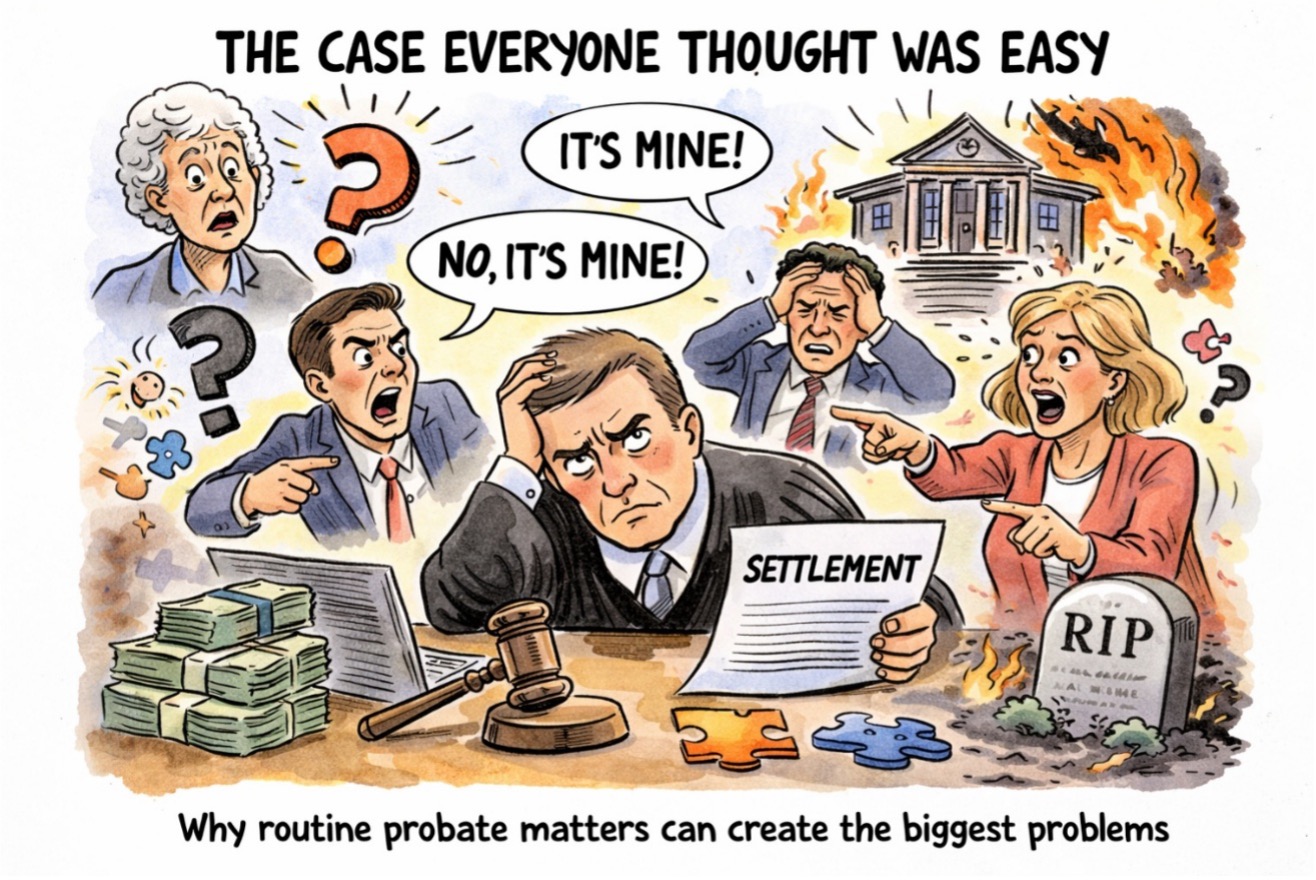
When the call came in, it had the tone everyone in probate recognizes immediately. The voice on the other end was polite but tight, as if the caller was trying to stay calm while something important slipped out of control. A deadline was approaching, documents were not in place, and several people were now waiting for answers that no one could provide with certainty.
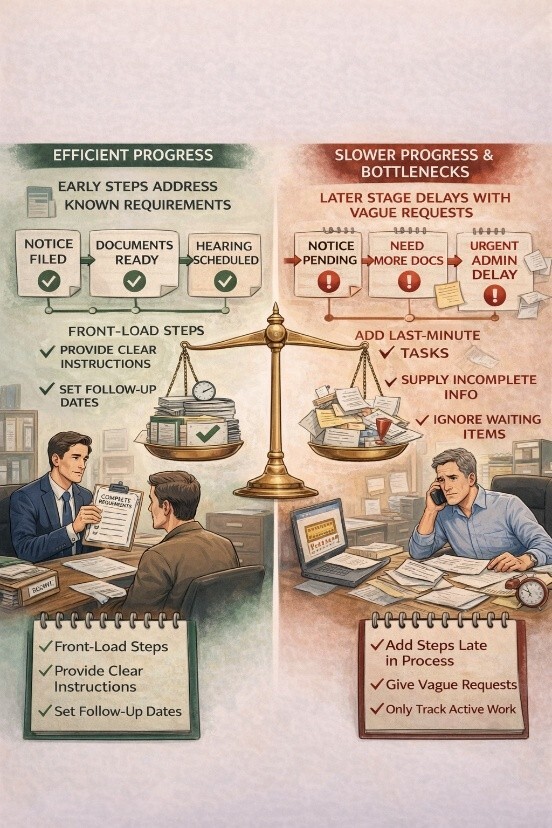
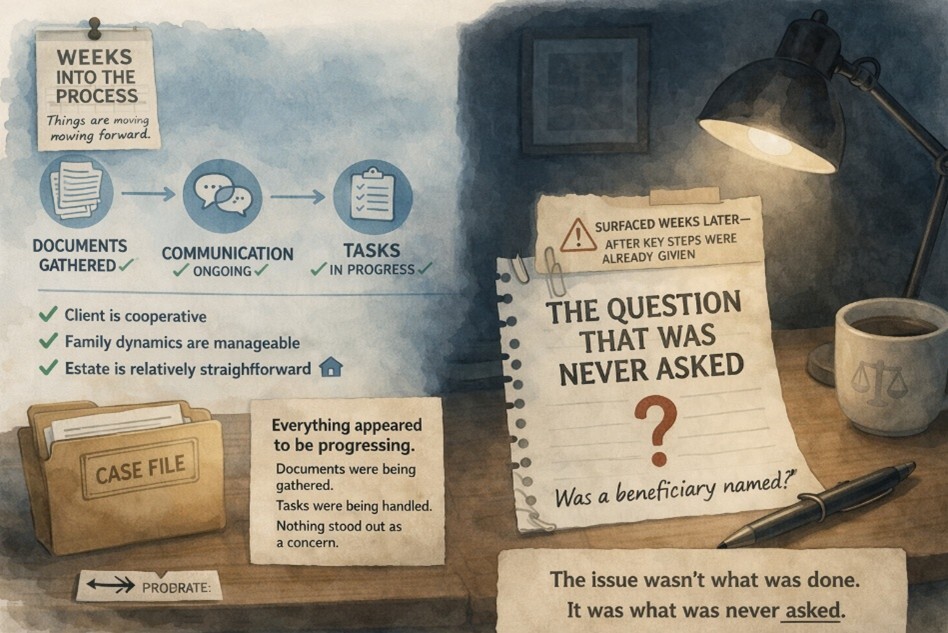
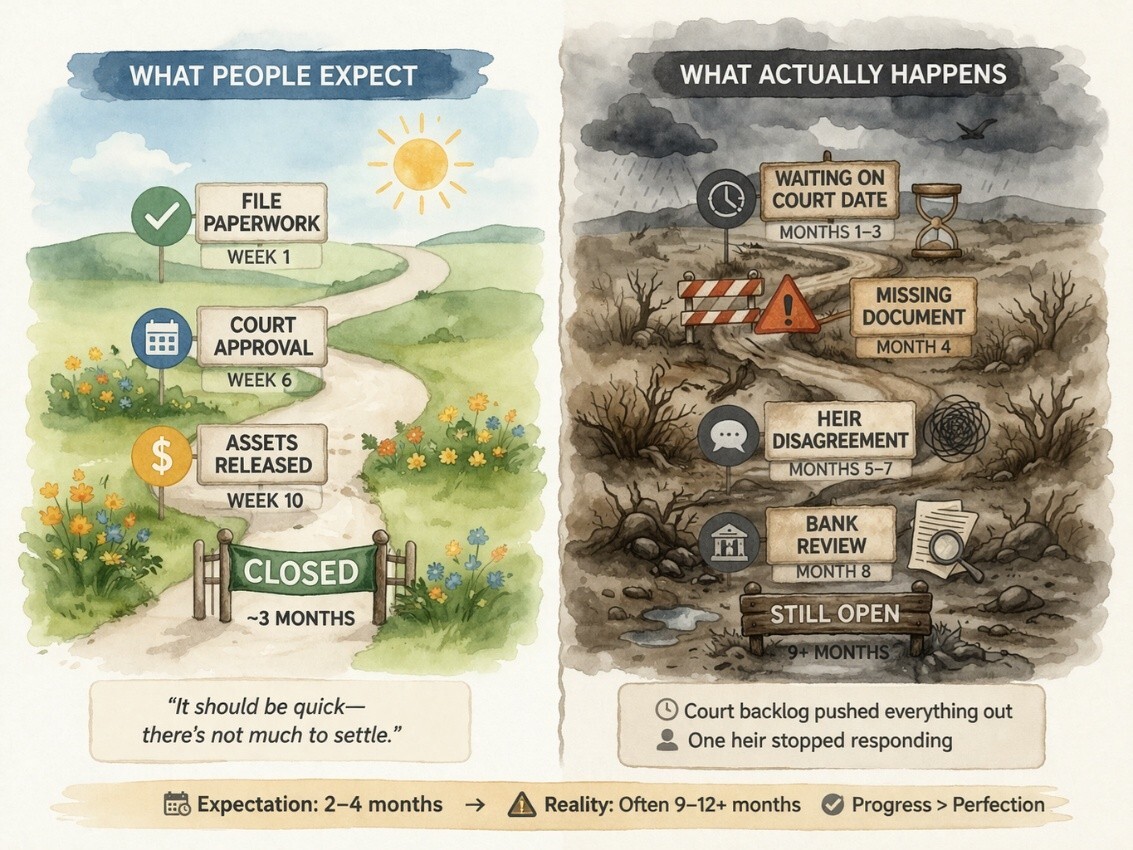
Inside the firm, the file was already known. It had been moving forward in uneven bursts for weeks, handled between other urgent matters and squeezed into the spaces left by more demanding cases. Nothing had been ignored outright, but several steps had been postponed because there never seemed to be a perfect moment to address them. Each delay felt temporary at the time, and everyone assumed there would be time to catch up later.
Now later had arrived all at once.
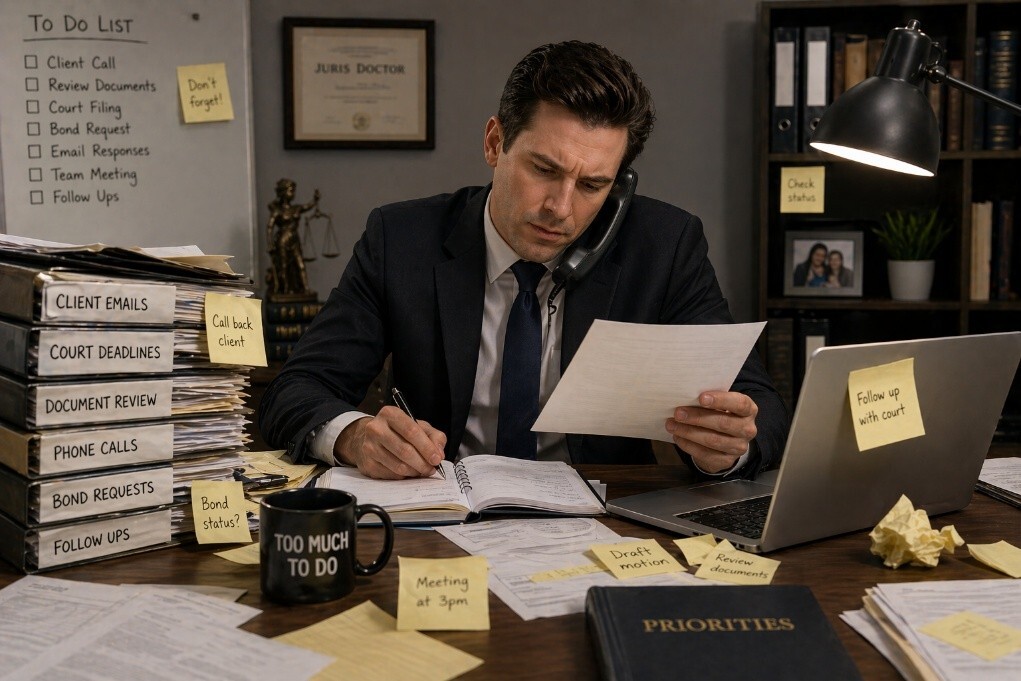
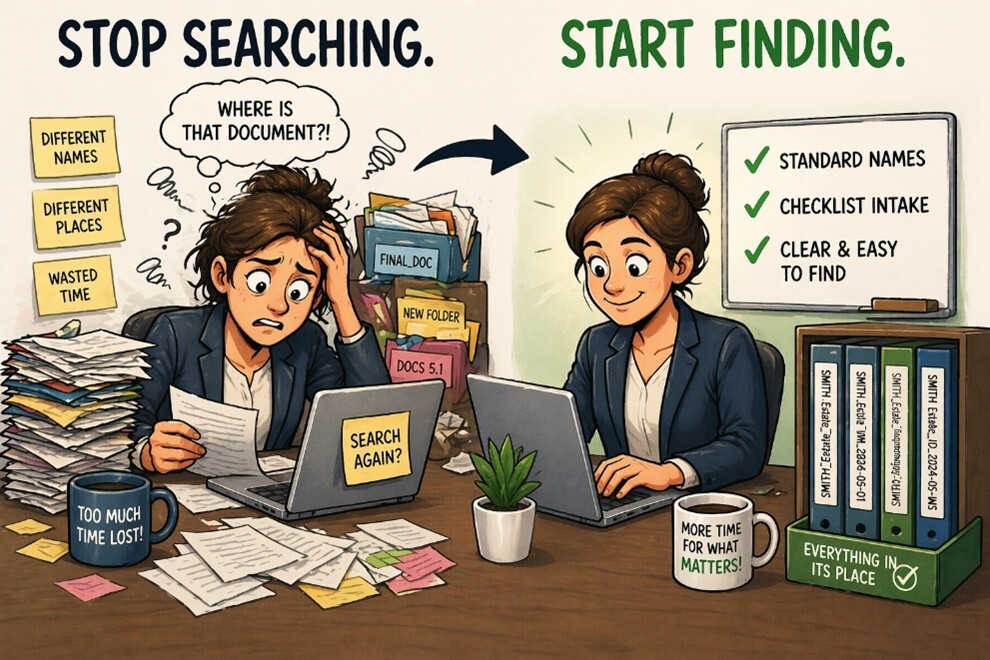
Paralegals began pulling records, reviewing prior communications, and contacting outside parties to gather missing pieces. Attorneys cleared space in their schedules to assess risk and determine what could still be done. The office energy shifted from steady progress to concentrated rescue mode, the kind of focused effort that comes from knowing the outcome still depends on human persistence.
Situations like this often end successfully, which is why they repeat. Skilled professionals step in, work late, coordinate quickly, and push the case across the finish line just in time. Clients feel grateful, families feel relieved, and the team experiences a brief sense of accomplishment. From the outside, it looks like proof that the system works.
What’s less visible is the cost.
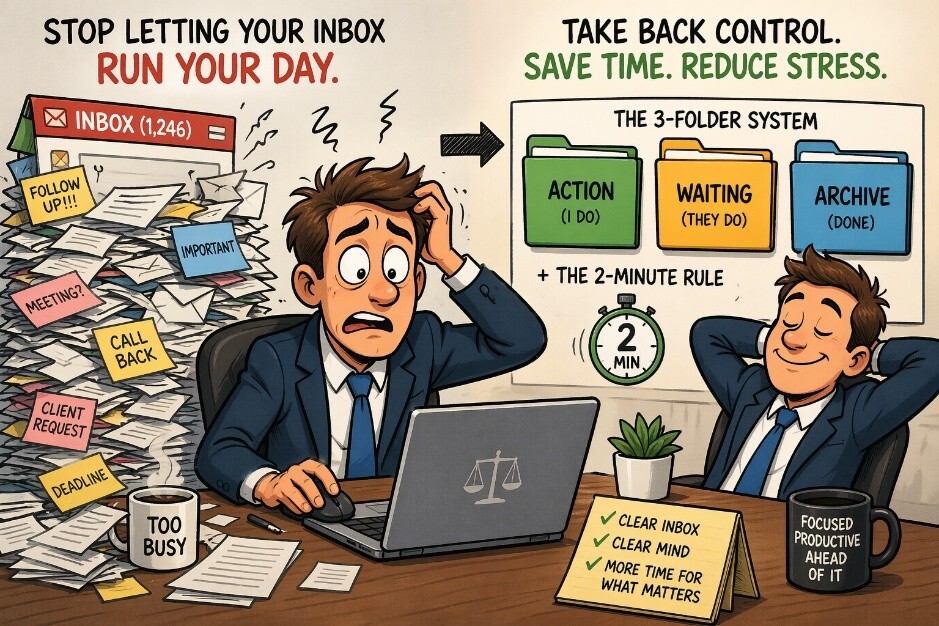
Each last-minute recovery requires energy that has to come from somewhere. Other files wait longer, routine tasks pile up, and the people doing the work carry tension long after the immediate crisis passes. Over time, this pattern turns extraordinary effort into a normal expectation. Teams become known for their ability to “save” situations, and that reputation quietly encourages more situations that need saving.
There’s also a human factor that makes this difficult to resist. Most people in probate work care deeply about the families they serve. When someone is worried about losing time, money, or authority, it feels natural to push harder rather than step back. Saying “we will try to fix this” feels compassionate, even when the underlying issue could have been prevented weeks earlier.
Attorneys often carry the weight of final responsibility, knowing that the consequences of failure extend beyond inconvenience. Paralegals experience another form of pressure, coordinating details across multiple parties while trying to keep communication calm and clear. Neither role is designed for constant crisis management, yet both can fall into it gradually without noticing how often it happens.
Bonding frequently becomes part of these rescue moments because it sits at the intersection of court requirements, financial responsibility, and timing. When addressed early, it’s typically routine. When postponed, it can suddenly become the one step that determines whether progress continues or stops. At that point, speed matters, but speed alone cannot erase the strain created by delay.
At Probate Bond Pros, we often meet teams at exactly this stage. They have already done everything possible and simply need a partner who can move quickly without adding new complications. Our two-hour turnaround exists for these moments, not because urgency is ideal, but because reality sometimes demands it. Even so, the smoothest experiences occur when bonding is planned ahead, allowing the case to move forward without emergency pressure.
The deeper lesson is not that rescue efforts are wrong. They reflect dedication and skill, qualities every strong probate practice depends on. The risk lies in allowing those efforts to become the default approach instead of the exception. Constant urgency erodes focus, increases fatigue, and makes even experienced professionals feel as though they are always one step behind.
Clients rarely see this hidden toll. They remember the successful outcome, not the late nights or the stress carried by the people who made it possible. Yet protecting the well-being of the team ultimately protects the quality of service clients receive. When professionals have room to work deliberately instead of reactively, decisions are clearer, communication is calmer, and results are more consistent.
The case that “almost didn’t make it” did move forward in the end. Relief replaced tension, and the office returned to its normal rhythm. Still, the experience served as a quiet reminder that heroics are not a sustainable strategy. Strong systems are built to prevent emergencies, not rely on them.
If you need a bond today because a situation has suddenly become time-sensitive, we’re ready to help. Request your bond HERE or call 800-828-2226 and take advantage of our two-hour guarantee.
To your success,
Darren Vermost
The Bond Guy
and the Probate Bond Pros Team