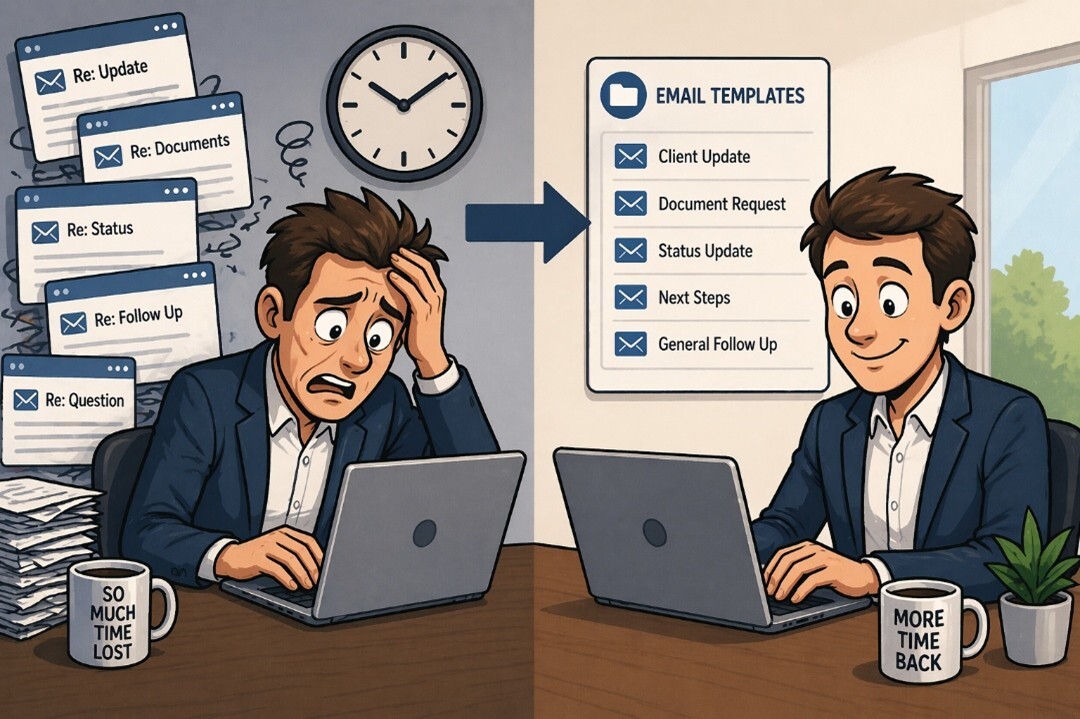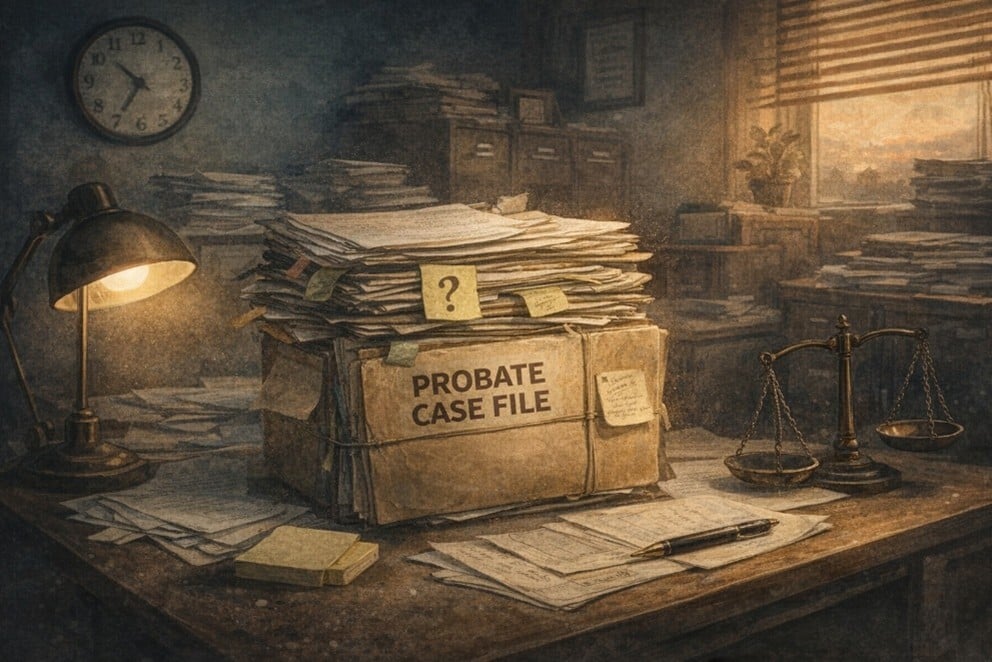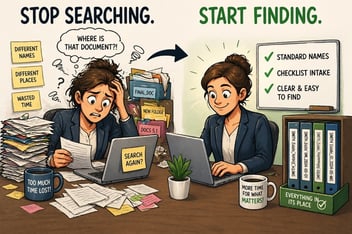
I was talking with a paralegal not too long ago, and she said something that stuck with me. She told me, “I don’t lose documents… I just can’t find them when I need them.” And honestly, that’s a much more accurate way to describe what’s happening in most offices.
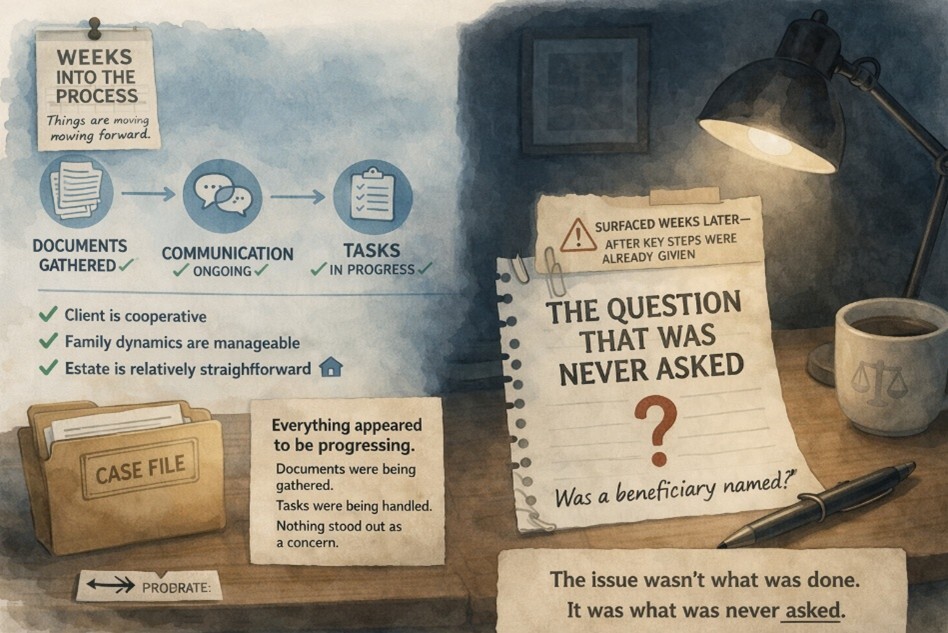
Because the issue usually isn’t that something is gone. It’s that it’s saved in a slightly different way, in a slightly different place, or under a name that made sense at the time but doesn’t now. And when that happens, you end up digging, double-checking, and sometimes even recreating things that already exist.
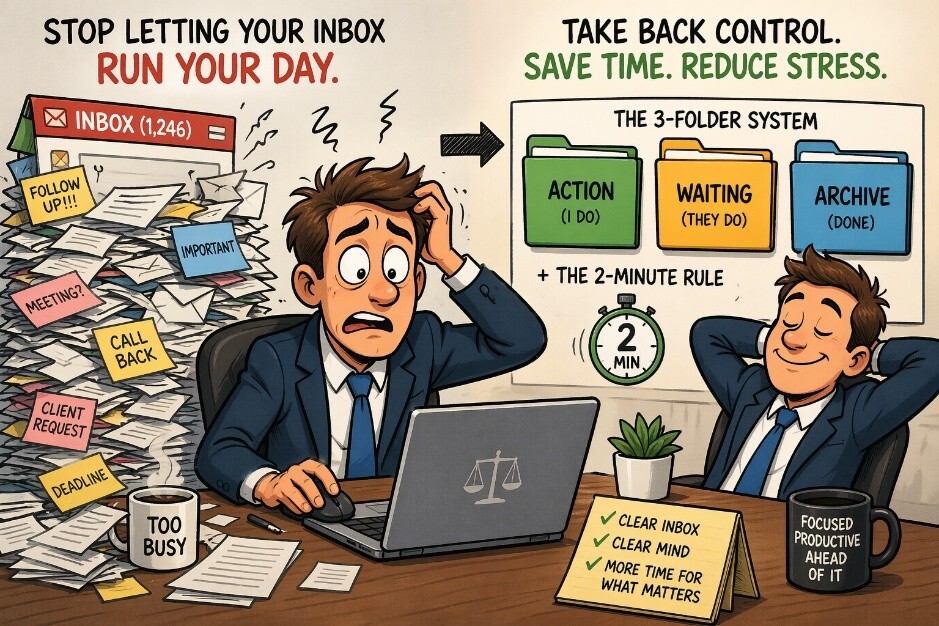
It doesn’t feel like a big deal in the moment. You spend a few minutes searching, maybe send a quick message asking if someone else has it, and move on. But when that happens five or ten times a day, those minutes turn into hours.
And it’s not just about time. It’s about momentum. When you’re in the middle of something and have to stop to go hunting for a document, it breaks your focus. Then, when you finally find it, you have to get your head back into what you were doing in the first place.
There’s a simple way to fix this, and it doesn’t require new software or a big overhaul.
It comes down to standardizing how things are named and how they come in. A consistent naming structure like “EstateName_DocumentType_Date” might not seem exciting, but it removes a lot of guesswork. You’re no longer trying to remember how something might have been saved because you just know where it should be.
What’s interesting is how quickly this starts to pay off. Files become easier to find, communication becomes clearer, and you spend less time second-guessing whether you’re working with the right version of something. It’s one of those small changes that makes everything else feel smoother.
And once you clean this up, you start to notice where the same problem shows up in other areas.
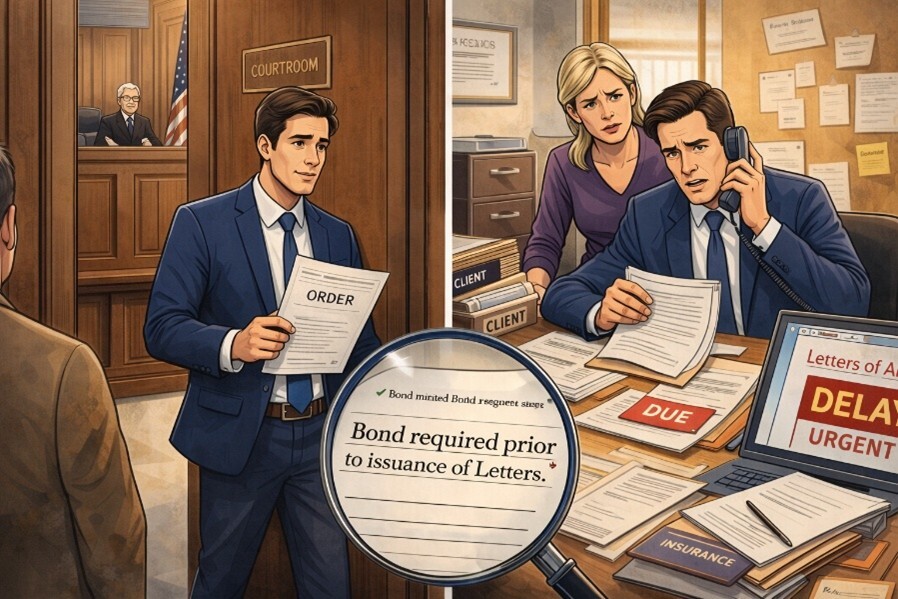
Because document confusion isn’t limited to your internal files. It shows up in processes too, especially ones that involve outside parties. Bonding is a good example of this, where delays often come down to missing or inconsistent information that could have been handled upfront.
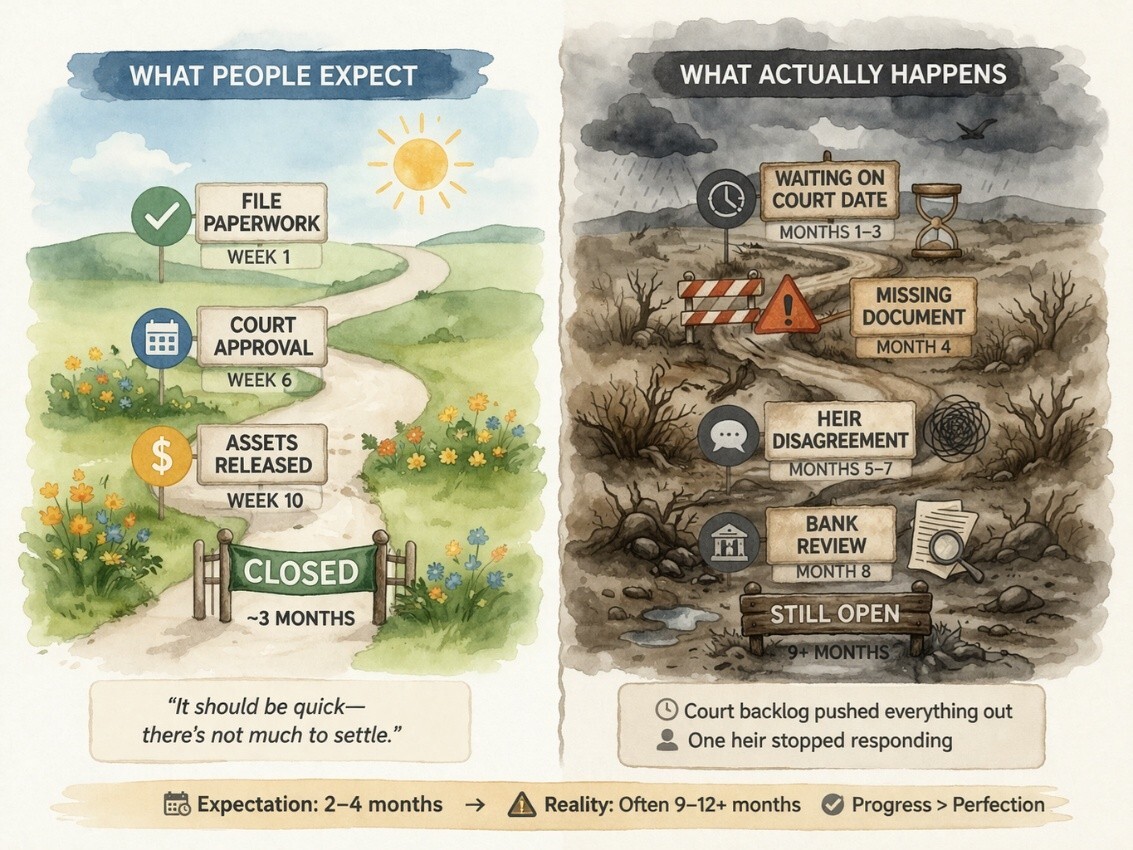
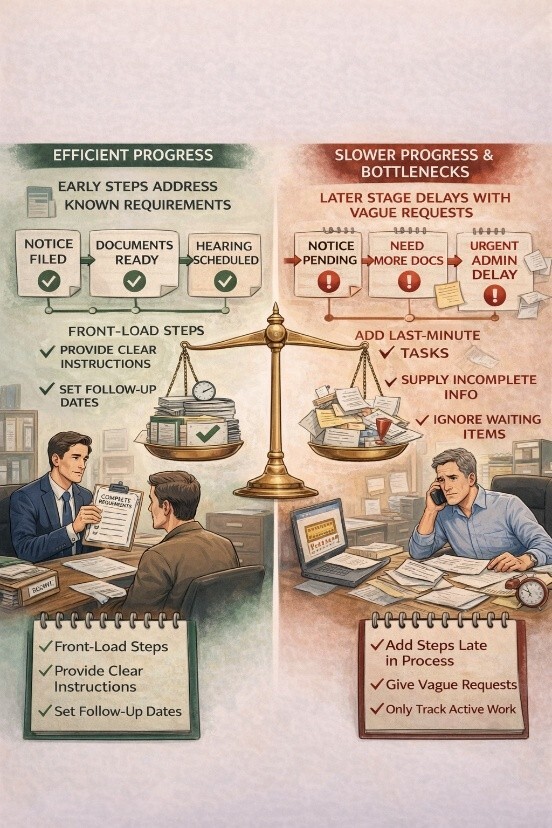
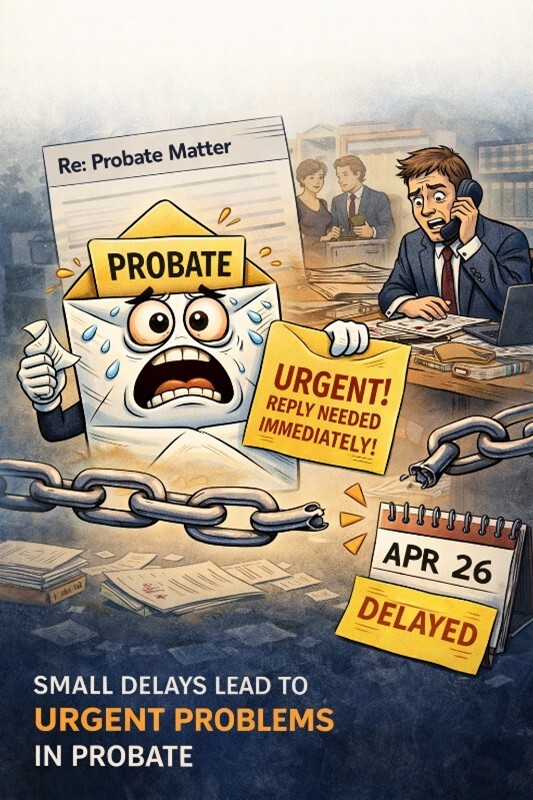
That’s where a lot of time gets lost without anyone really noticing. A request goes out, something is missing, emails go back and forth, and what should have been quick turns into something that drags on. Not because it’s complicated, but because the process isn’t as clean as it could be.
When things are set up the right way, it feels different. You submit what’s needed, everything is clear, and you get a response without having to chase it down or wonder what’s happening behind the scenes.
That’s really the idea behind how we approach bonding at Probate Bond Pros. The goal is to remove the same kind of friction you just eliminated with your documents. You shouldn’t have to track things down, resend information, or spend time figuring out where things stand.
If saving time matters—and I know it does—it’s worth seeing how simple this part of your workflow can be.
Go to www.probatebondpros.com, request a bond, and experience how easy it can be when you’re working with a team that prioritizes efficiency, speed, and clarity.
Darren Vermost
The Bond Guy ®
and your team at Probate Bond Pros