One of the most common pressures in probate work has nothing to do with law, paperwork, or complexity.
It comes from time.
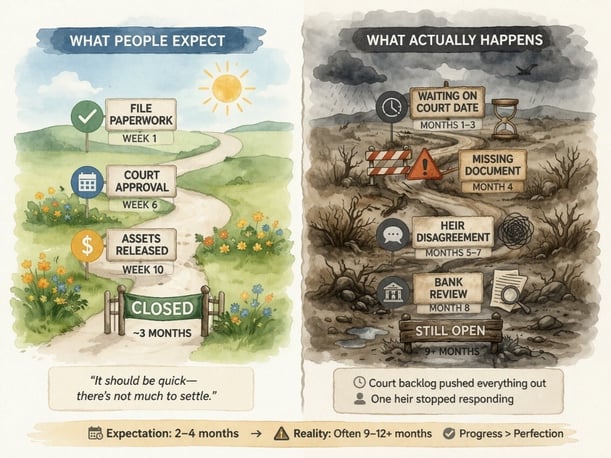
More specifically, it comes from the difference between how long people think probate should take and how long it actually takes. That gap shows up early, often before the first filing is even complete, and once it’s there, it tends to grow.
Most estates don’t move quickly. Even in straightforward situations, probate commonly takes six months to a year, and in more complex cases, it can extend well beyond that. Court schedules, required notice periods, creditor windows, and documentation requirements all operate on timelines that cannot be rushed.
From the professional side, this is expected. From the client’s side, it often isn’t.
Clients are used to speed in every other part of life. Financial transactions happen instantly. Documents are signed electronically. Information is available on demand. When probate introduces waiting periods measured in weeks or months, it feels like something is wrong, even when everything is proceeding exactly as it should.
This creates pressure that builds slowly at first.
A client who expects movement every few days begins to feel uneasy after a week. After two weeks, they start asking questions. After a month, they may assume something has gone off track. None of those reactions are unreasonable. They’re simply based on a different understanding of how the process works.
For attorneys and paralegals, this becomes a secondary workload that doesn’t appear on any checklist. Time is spent explaining timelines, repeating explanations, and reassuring clients that progress is being made even when there’s nothing new to report.
Studies across legal and administrative fields consistently show that a significant portion of client communication is driven not by new developments, but by uncertainty. When people don’t know what’s happening, they assume the worst or feel the need to check in frequently.
That communication is important, but it comes at a cost.
Each additional call or email interrupts ongoing work, slows overall progress, and increases the likelihood of errors simply because attention is being divided more often. Over time, this creates a cycle where delays lead to more communication, and more communication contributes to further delays.
There are also specific points in probate where timing becomes especially sensitive.
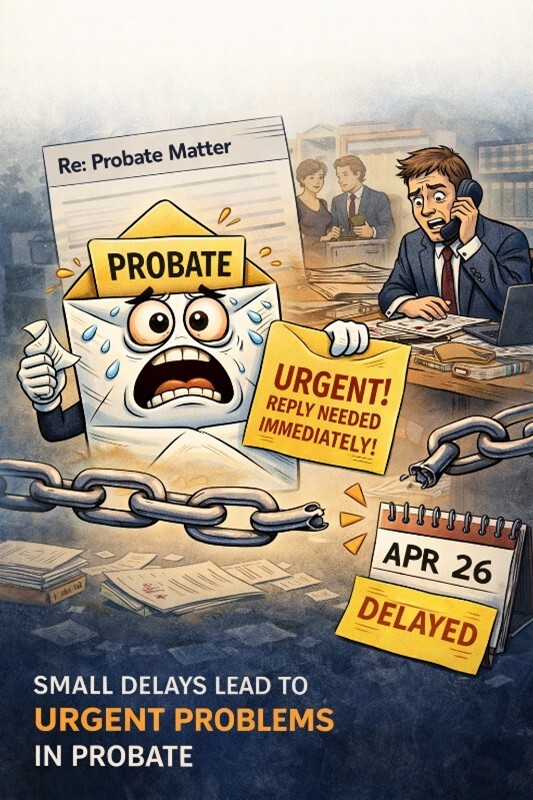
Court approvals, creditor periods, asset transfers, and required filings tend to move in stages. Nothing happens for a period of time, and then several things happen at once. When clients are not prepared for that shift, the transition from waiting to urgency can feel abrupt and overwhelming.
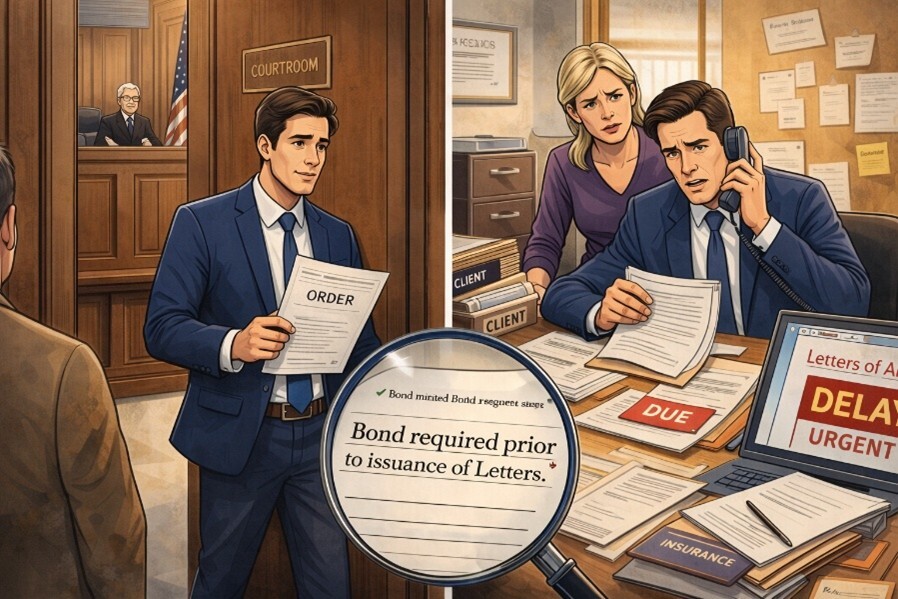
Bonding often falls directly into this pattern.
In many cases, a bond is required before certain authority is granted or before the next step can proceed. When it’s addressed early, it fits naturally into the timeline and rarely causes disruption. When it’s introduced later, particularly when other steps are already waiting, it becomes a bottleneck.
This is not because bonding is unusually complex. It’s because timing has removed flexibility.
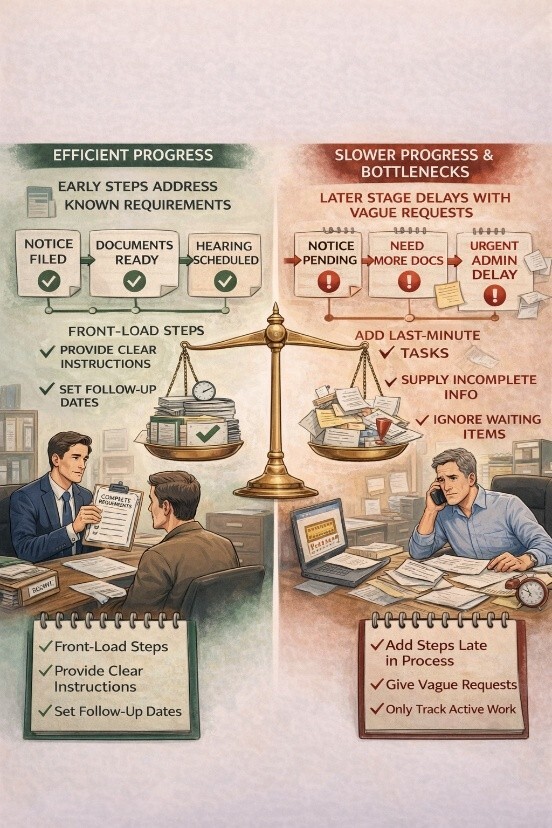
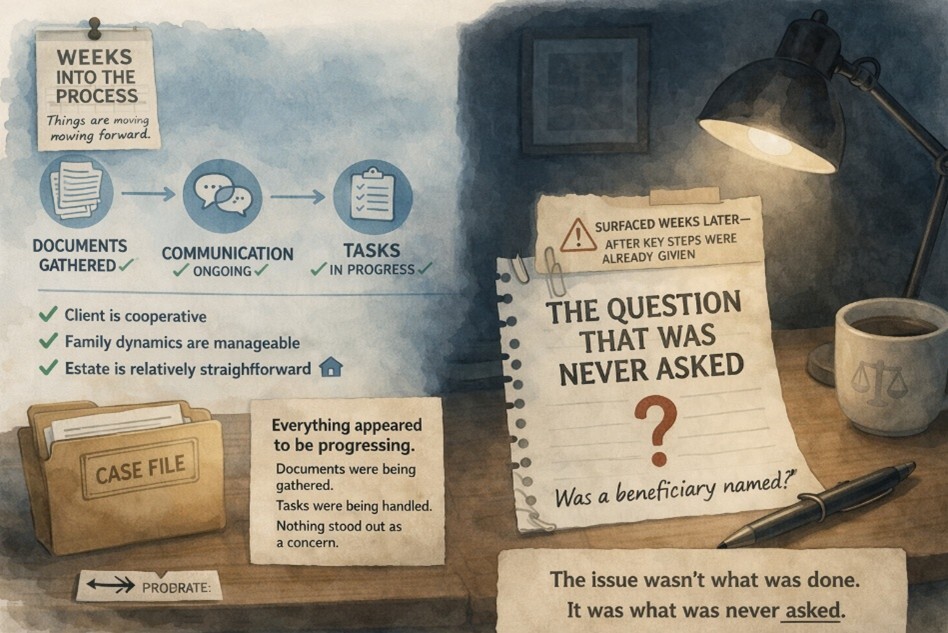
The difference between a smooth case and a stressful one is often not the difficulty of the tasks involved, but when those tasks are handled. The same requirement can feel routine or urgent depending entirely on when it enters the process.
There are a few practical ways to reduce this pressure and keep cases moving more predictably.
First, set expectations early and clearly. Clients do not need exact dates, but they do need a realistic understanding of how probate unfolds. Explaining that the process moves in stages, with periods of waiting followed by periods of activity, can prevent unnecessary concern later.
Second, identify steps that act as gatekeepers. These are the requirements that must be completed before anything else can move forward. Addressing them early preserves flexibility and reduces the risk of last-minute urgency.
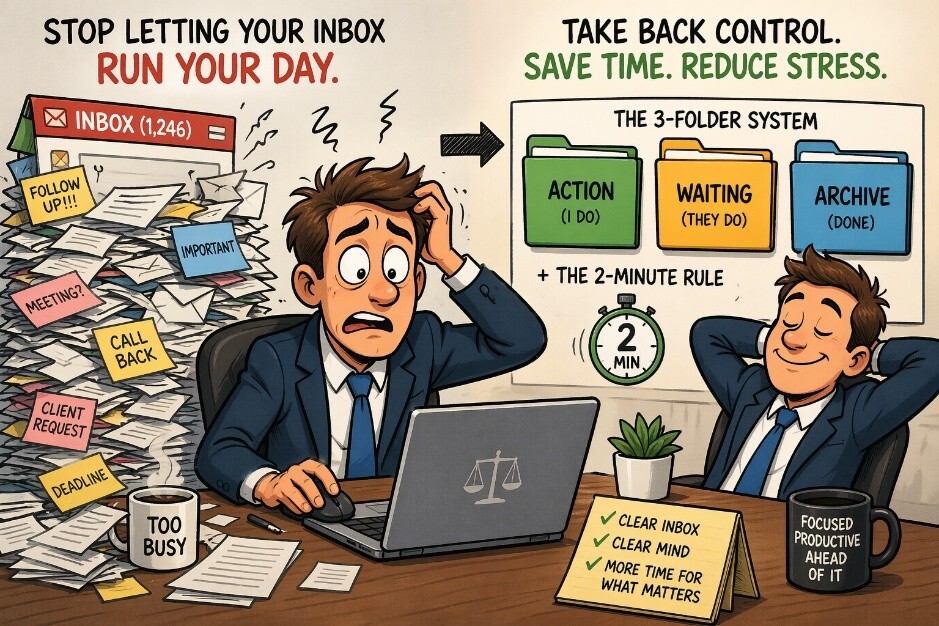
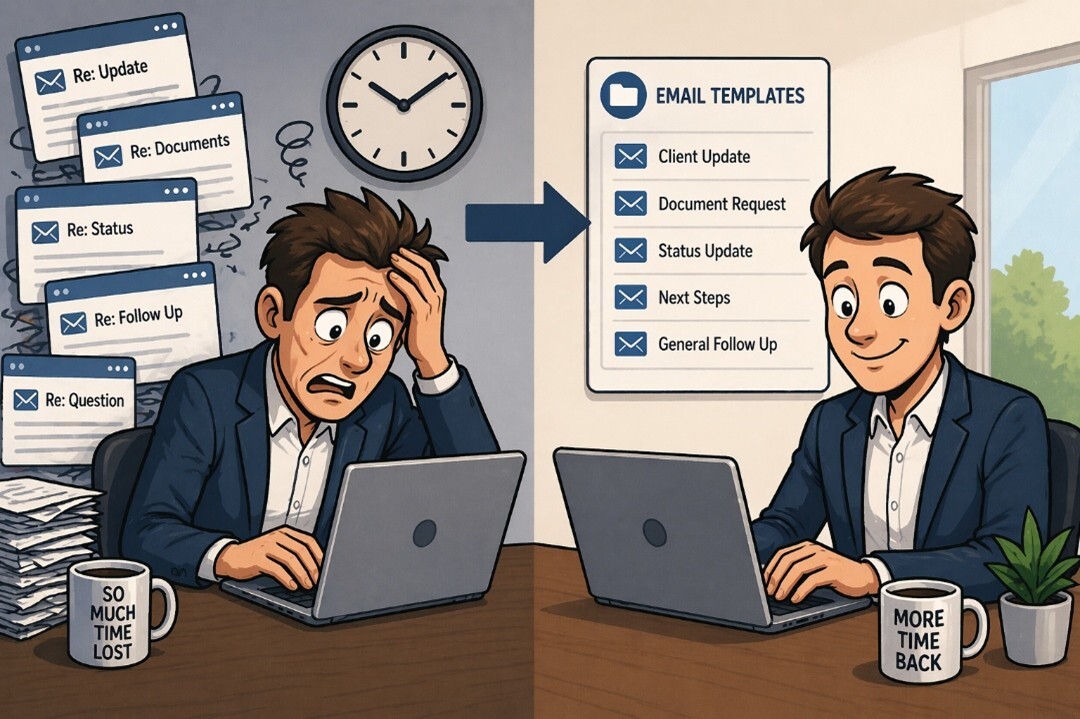
Third, streamline communication wherever possible. Clear, complete information upfront reduces the need for repeated follow-up and allows everyone involved to move forward with confidence.
Finally, work with partners who understand the timing pressures within probate. When a required step can be completed quickly and without confusion, it removes a point of friction that might otherwise slow the entire case.
At Probate Bond Pros, we focus on making bonding one of the most predictable parts of the process. Fast turnaround, clear requests, and straightforward communication allow you to handle a required step without it becoming a source of delay or repeated follow-up.
If you need a bond today and want a process that moves quickly without adding confusion about next steps, we’re here to help. Request your bond HERE or call 800-828-2226 and take advantage of our two-hour guarantee.
To your success,
Darren Vermost
The Bond Guy
and the Probate Bond Pros Team