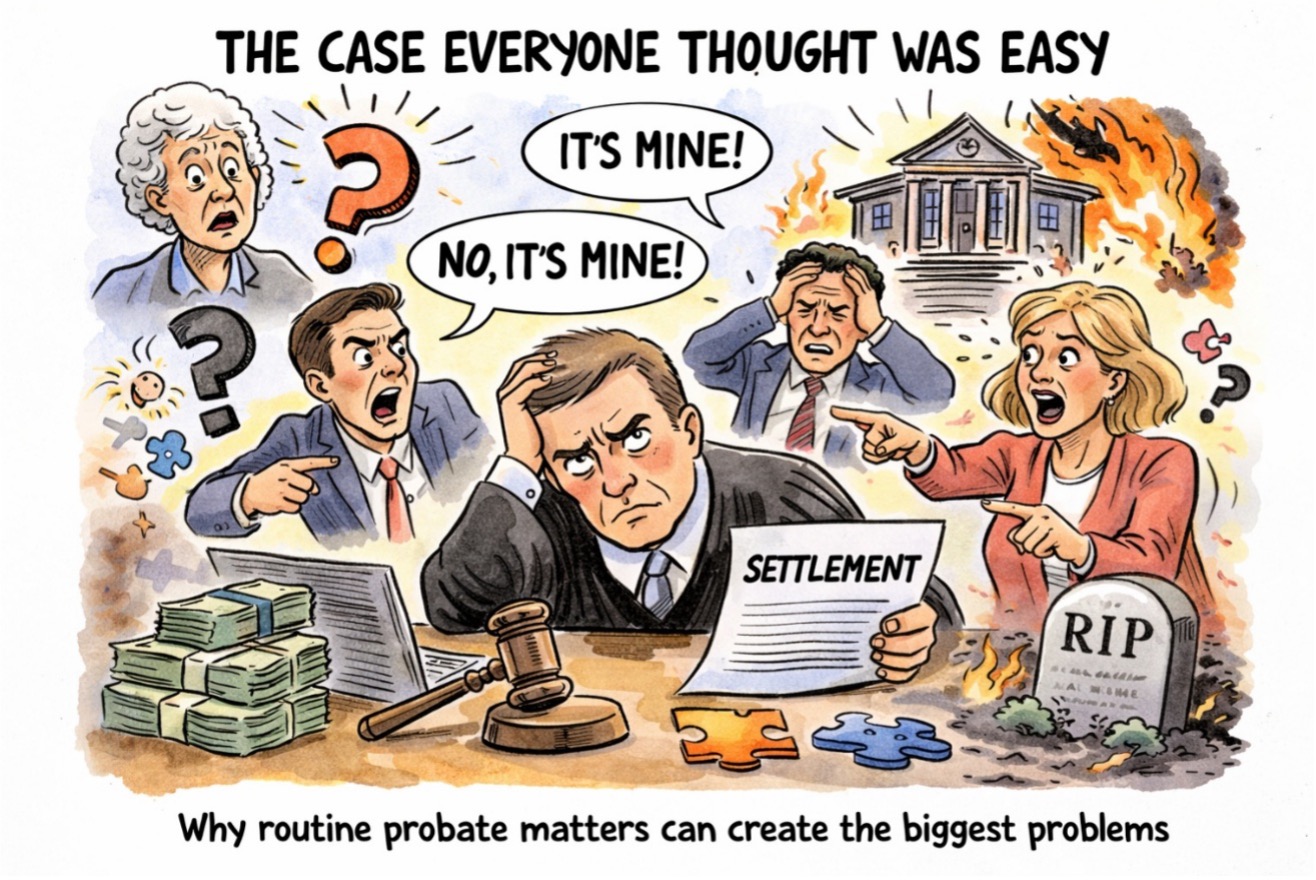
When Robin Williams passed away in 2014, many people assumed his estate planning would likely be thorough and carefully organized. He had advisors, significant assets, and estate planning documents already in place. Yet despite those preparations, disputes still reportedly developed between family members involving personal property, interpretation of documents, and questions surrounding the administration of the estate.
For probate attorneys and paralegals, the situation served as an important reminder that even strong estate planning does not automatically eliminate the possibility of conflict. Documents matter tremendously, but administration matters too. Communication, fiduciary responsibilities, family dynamics, and the handling of assets after death can still create tension even when planning appears solid on paper.
One of the biggest misunderstandings surrounding probate is the belief that a will or trust alone solves every future problem. In reality, probate administration often becomes complicated not because planning documents are entirely missing, but because surviving family members interpret situations differently once emotions become involved. Sentimental property, timing of distributions, management decisions, and expectations surrounding authority can all become sources of disagreement.
In the Robin Williams estate, reports indicated disputes surrounding personal belongings and the interpretation of certain estate provisions. While the estate itself may have been more organized than many others, the case demonstrated how quickly conflict can arise when family members have different understandings about what was intended or how administration should proceed.
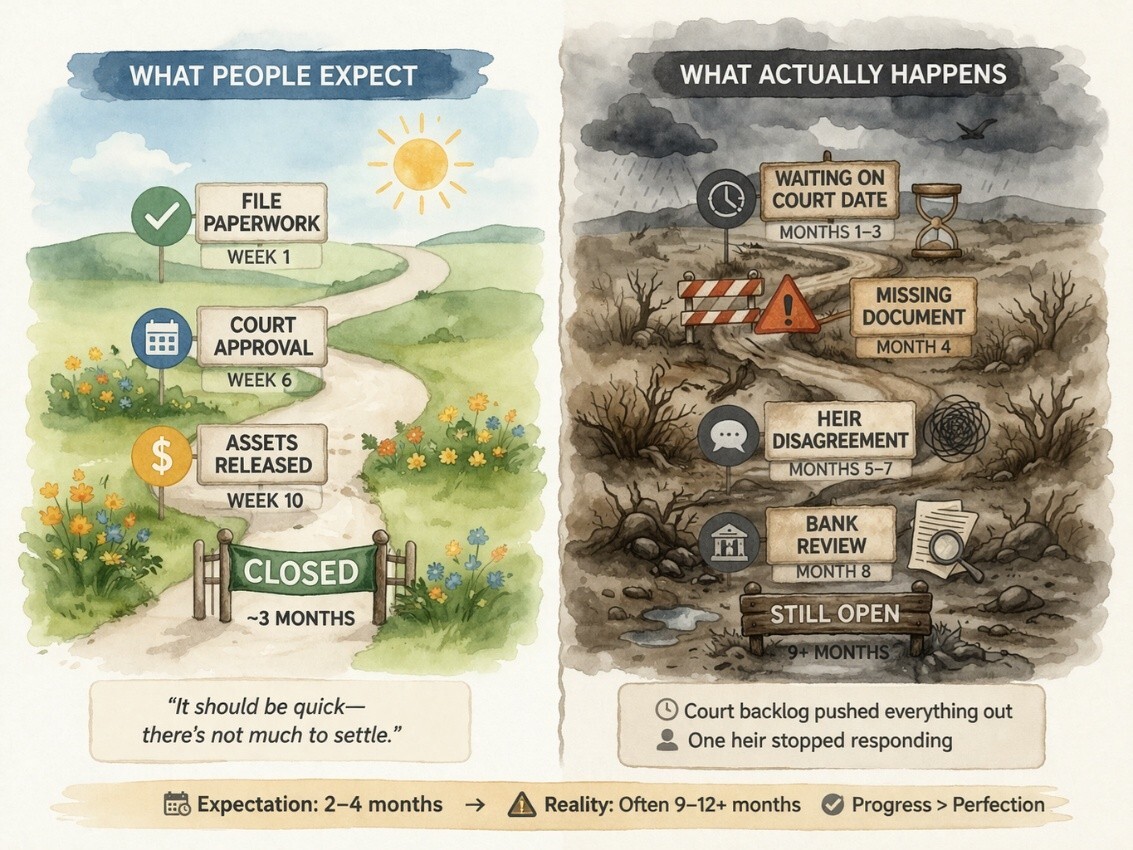
Probate professionals encounter these types of issues regularly. A family member believes certain property was promised verbally years earlier. Beneficiaries disagree about valuations or distributions. Personal representatives face criticism for decisions being made during administration. What initially appears to be a straightforward process slowly becomes more emotional and more difficult to manage as tensions increase.
That is one reason probate courts place such strong emphasis on fiduciary accountability and oversight. Personal representatives and fiduciaries are not simply carrying out instructions mechanically. They are responsible for protecting assets, maintaining records, communicating appropriately, managing deadlines, and acting in the best interest of the estate and beneficiaries throughout the process.
Probate bonds help support that system of accountability. Courts often require bonds when someone is entrusted with handling estate assets and making decisions on behalf of others during administration. Bonds help protect beneficiaries and interested parties if fiduciary responsibilities are not handled appropriately or if financial harm occurs during the probate process.
Most personal representatives genuinely want to honor the wishes of the deceased and carry out their responsibilities properly. However, probate courts understand that even honest administrators can make mistakes, create misunderstandings, or become overwhelmed by the legal and financial responsibilities involved. When emotions, family history, and money intersect, tensions can escalate faster than many people expect.
The Robin Williams estate became public because of his fame, but the underlying issues are very familiar to probate professionals. Family disagreements, communication breakdowns, disputes over property, and questions surrounding administration happen every day in probate courts across the country. Even careful planning cannot always prevent conflict once the administration process begins.
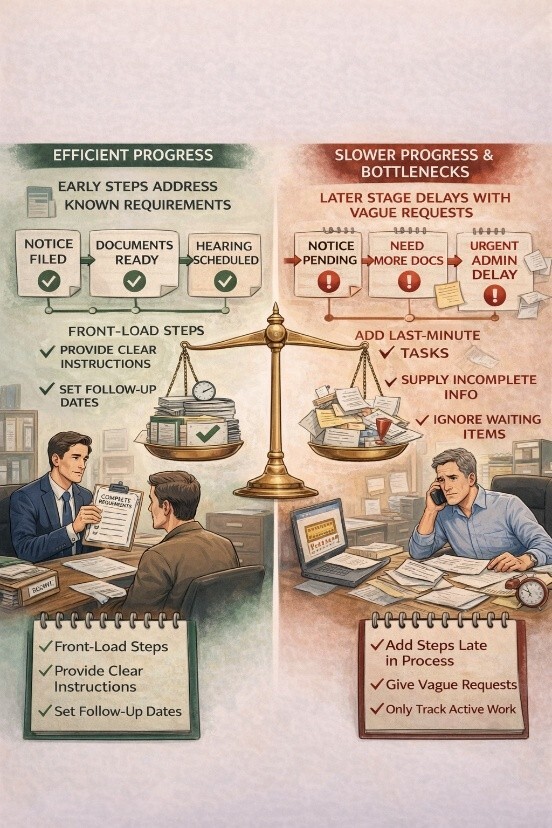
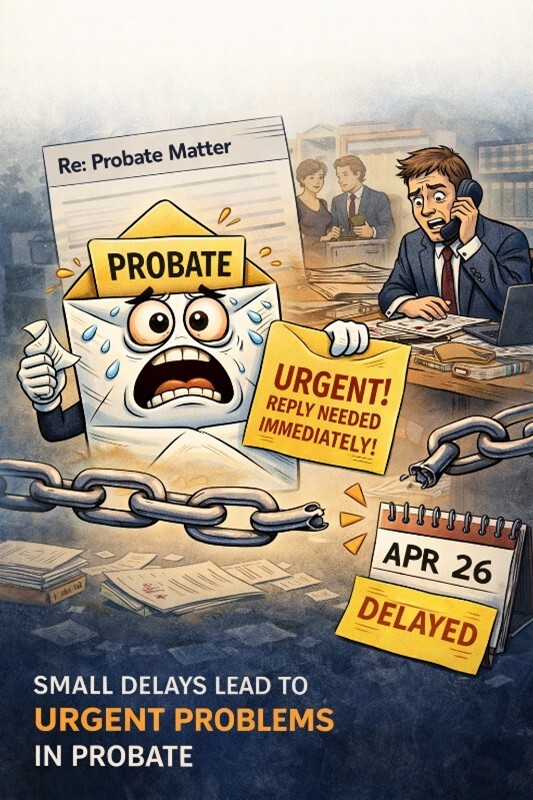
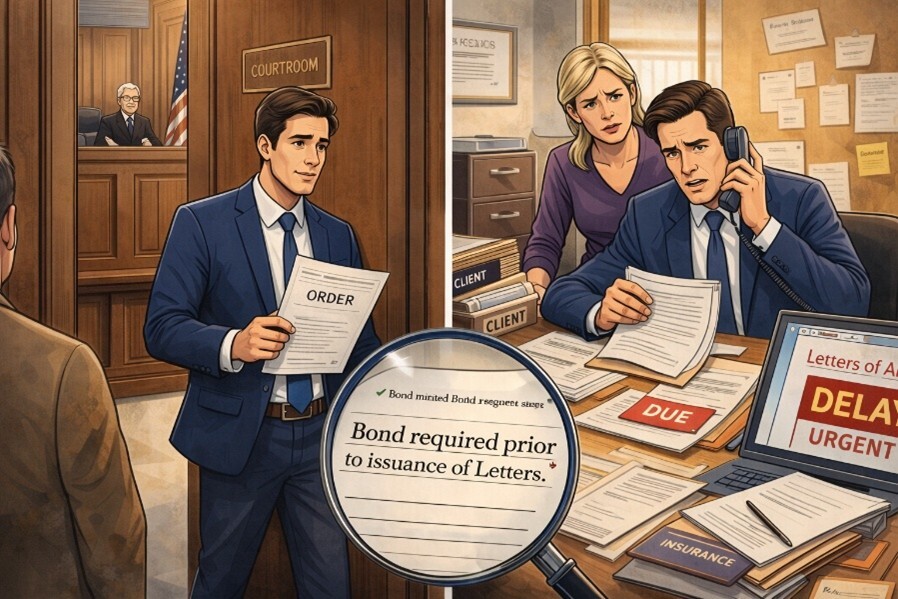
That is why efficiency and responsiveness matter so much during probate administration. Attorneys and paralegals are already balancing court filings, hearings, deadlines, fiduciary obligations, and family communication all at the same time. Bond requirements should help move the case forward — not create another administrative challenge that slows progress down further.
At Probate Bond Pros, we understand the realities probate professionals face every day. Our goal is to help you simplify probate and guardianship bond requirements with fast approvals, responsive communication, and a system specifically designed for probate matters.
When courts require a bond, responsiveness and clarity matter. If you’d like a faster, more streamlined way to handle probate and guardianship bonds, visit www.probatebondpros.com to request a bond or register as a user today.
To your success,
Darren Vermost
The Bond Guy ®
and your team at Probate Bond Pros