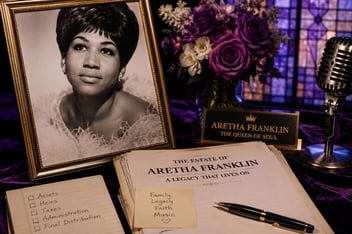
When Aretha Franklin passed away in 2018, many people assumed her affairs were likely well organized and professionally planned. After all, she was an international music legend with significant assets, experienced advisors, and decades of success behind her. But what happened after her death became one of the most talked about probate stories in recent years for a very different reason.
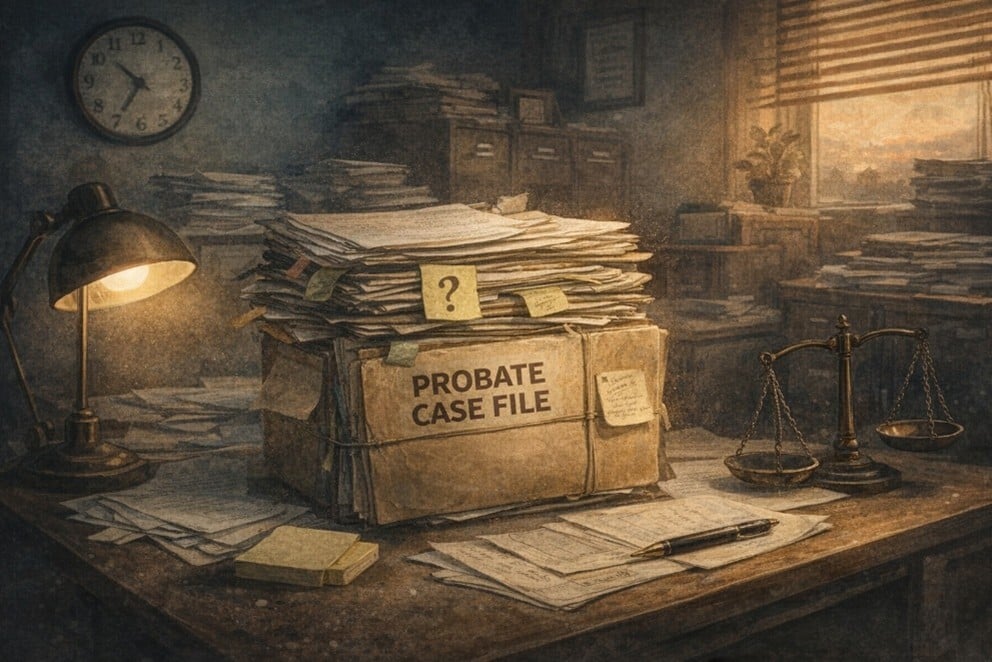
Initially, reports indicated that Aretha Franklin had died without a will. Then, months later, handwritten documents were discovered inside her home, including papers reportedly found in couch cushions and notebooks. Suddenly, what many assumed would be a standard probate administration turned into a complicated legal battle involving multiple handwritten wills, questions regarding validity, and disagreements surrounding which document should control the estate.
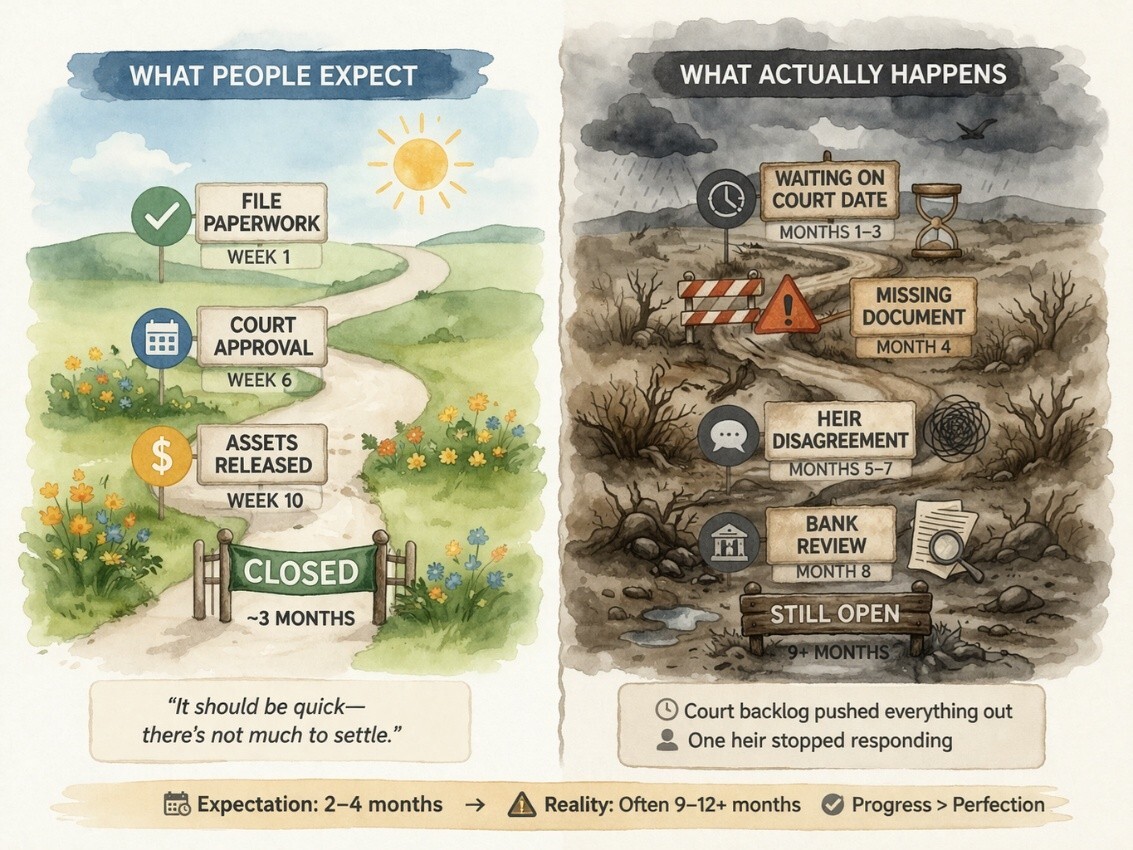
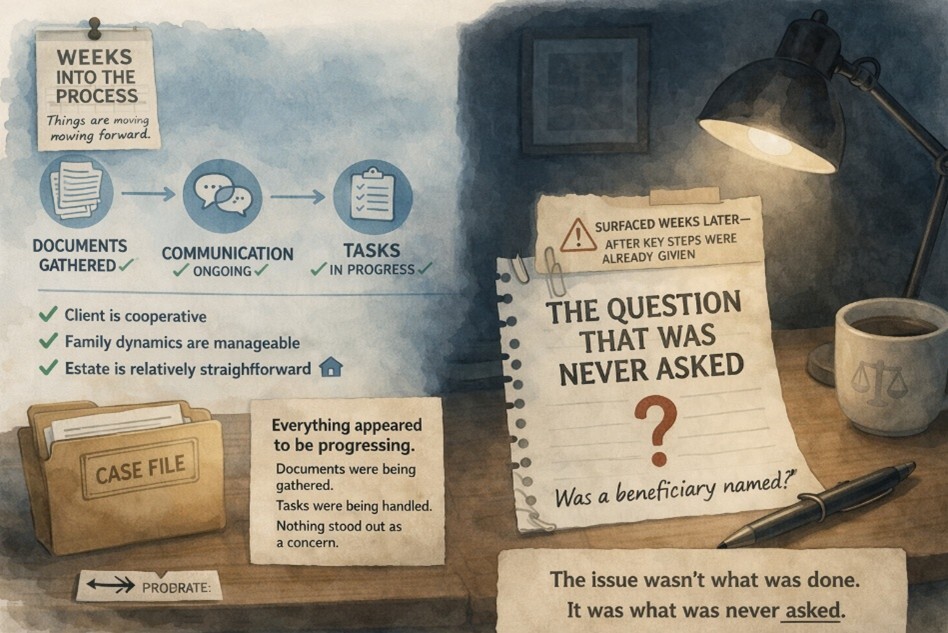
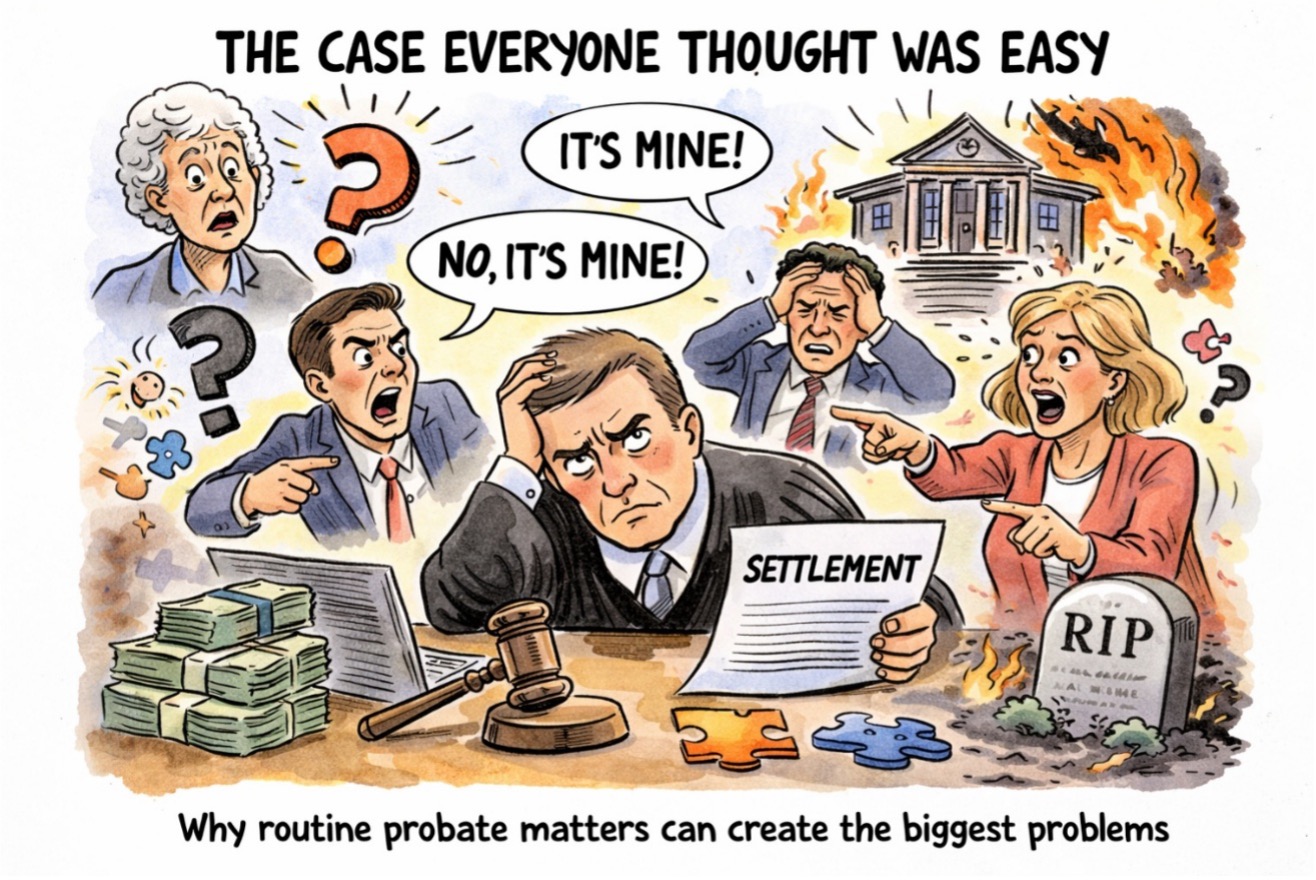
For probate attorneys and paralegals, the case highlighted something they already know very well. Probate matters can shift dramatically overnight when unexpected documents, disputed instructions, or conflicting family expectations enter the picture. What begins as a relatively manageable administration can quickly become far more complicated once questions about authority and intent emerge.
One of the most difficult realities of probate is that uncertainty creates tension very quickly. Family members may interpret handwritten notes differently. Beneficiaries may question whether documents were properly executed or intended to replace earlier versions. Courts suddenly become responsible for determining not only what documents exist, but which documents should legally control the administration process.
Even when family members begin with good intentions, emotions often intensify as uncertainty grows. Delays create frustration. Communication becomes more difficult. Questions surrounding fairness and authority begin surfacing, especially when significant assets or sentimental property are involved. Attorneys are frequently left managing both legal complexities and emotional family dynamics at the same time.
This is one of the reasons probate courts place such a strong emphasis on oversight and fiduciary accountability. When disputes arise or questions remain unresolved, courts want safeguards in place to help ensure the estate is administered appropriately while competing interests are sorted out. Probate administration is not simply about distributing assets. It is about protecting the integrity of the process itself.
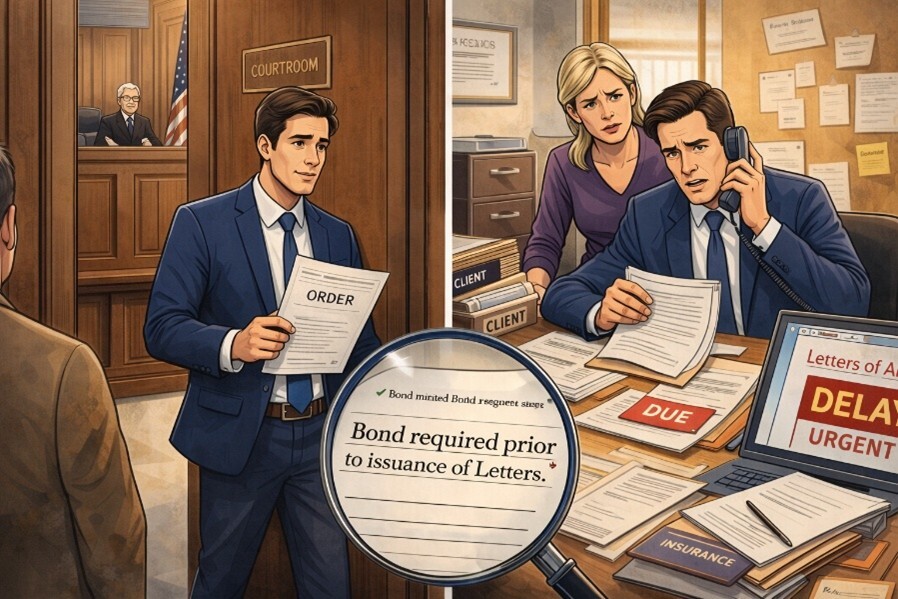
Probate bonds are one part of that larger system of protection and accountability. Courts often require bonds when someone is entrusted with managing estate assets, paying creditors, handling distributions, and acting on behalf of beneficiaries during probate administration. The goal is to help protect interested parties if mistakes, mismanagement, or disputes arise during the process.
Most personal representatives are not attempting to create problems. In fact, many are family members suddenly placed into a role they never expected to manage. They may already be grieving while simultaneously trying to navigate court requirements, financial responsibilities, deadlines, and pressure from beneficiaries asking questions at every step.
The Aretha Franklin case became national news because of her fame and the unusual discovery of handwritten wills. But experienced probate professionals recognize that similar issues happen every day in probate courts across the country. Missing documents, conflicting instructions, unclear authority, and family disagreements are far more common than most people realize.
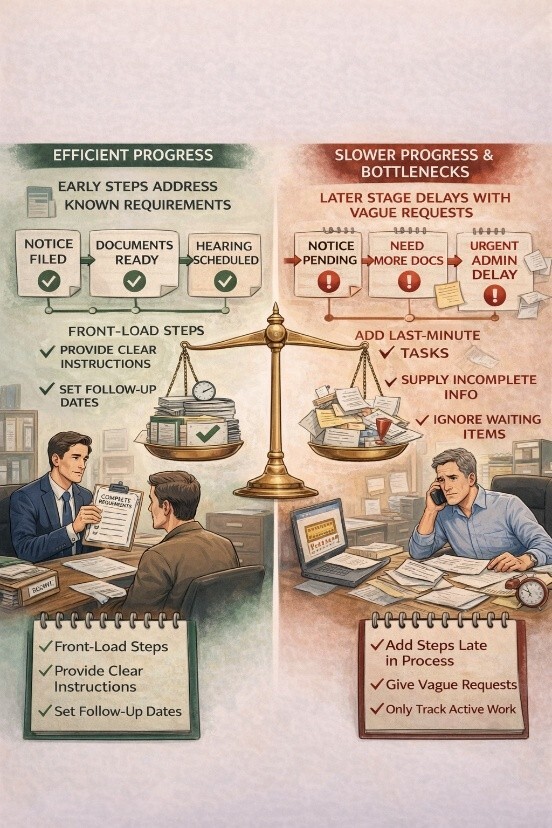
That’s why efficiency and responsiveness matter so much during probate administration. Attorneys and paralegals are already balancing hearings, filings, deadlines, family communication, and court expectations simultaneously. Bond requirements should not become another unnecessary delay that slows down an already stressful process.
At Probate Bond Pros, we understand the realities probate professionals face every day. Our goal is to help simplify the probate and guardianship bond process with fast approvals, clear communication, and a streamlined system designed specifically for probate matters.
When courts require a bond, responsiveness and clarity matter. If you’d like a faster, more streamlined way to handle probate and guardianship bonds, visit www.probatebondpros.com to request a bond or register as a user today.
To your success,
Darren Vermost
The Bond Guy ®
and your team at Probate Bond Pros